Botanical Technology
Our active ingredients come from plants with specific functions: to protect, repair, and balance. Maxalli's botanical technology combines natural efficacy with clean and focused formulations.


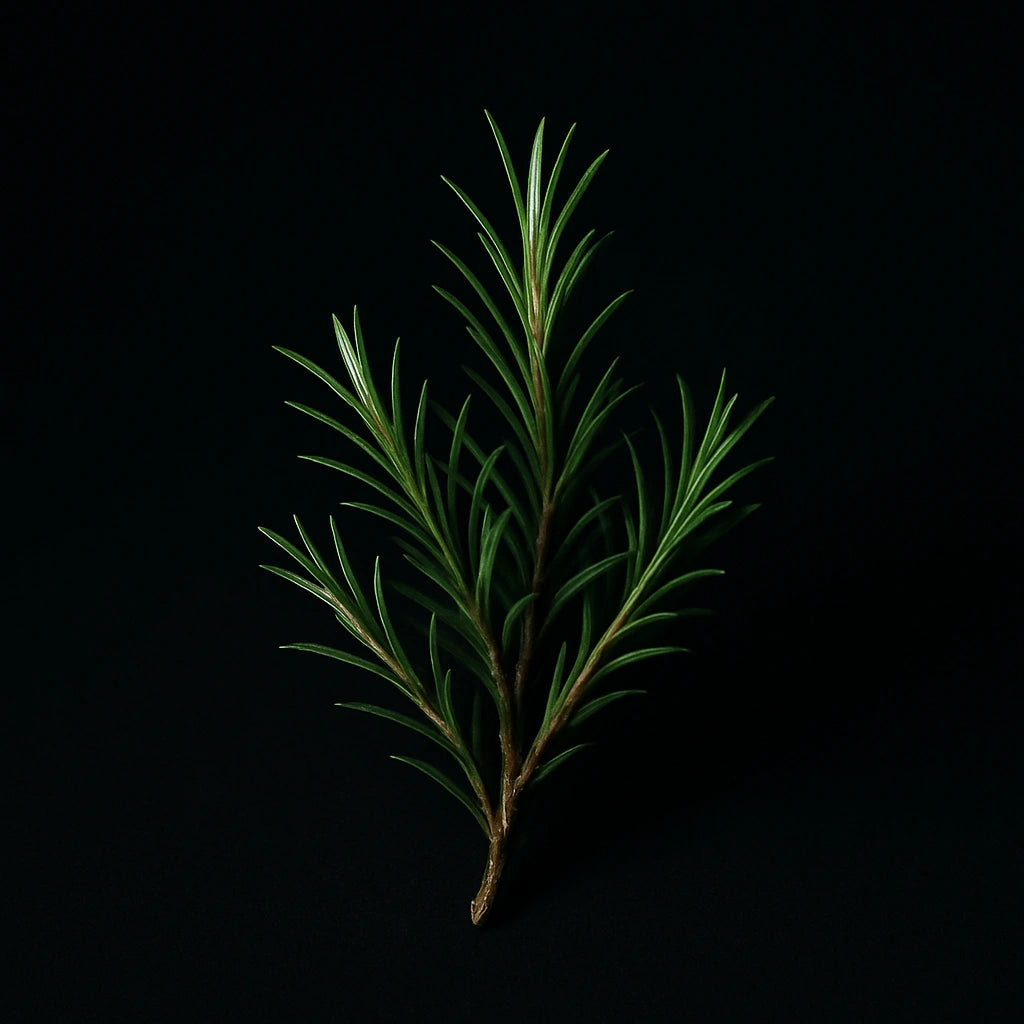
Origin: Leaves of Melaleuca alternifolia (Australia)
Function: Natural antimicrobial
Why is it used? Purifies without irritating; ideal for oily or acne-prone skin
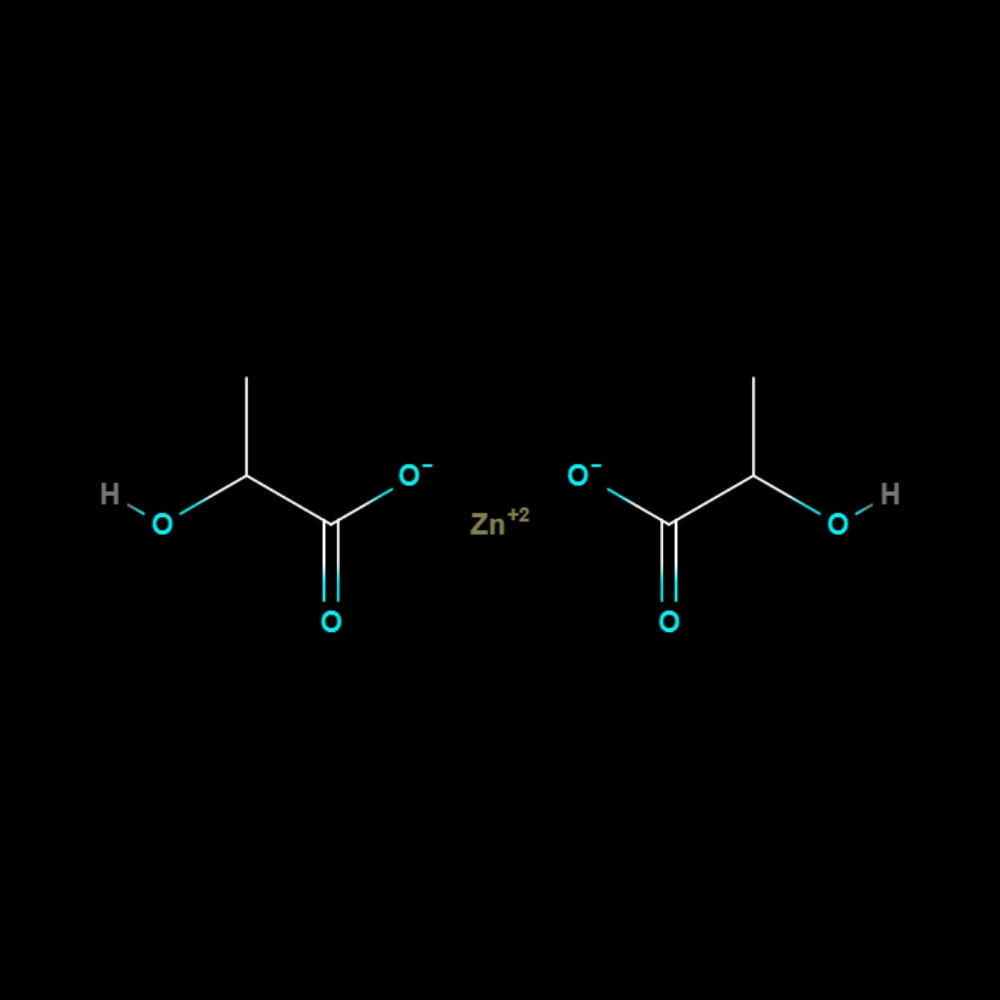
Origin: Fermentation of sugar + mineral zinc
Function: Sebum and pH regulator
Why is it used? Balances oily and sensitive skin, prevents body odor
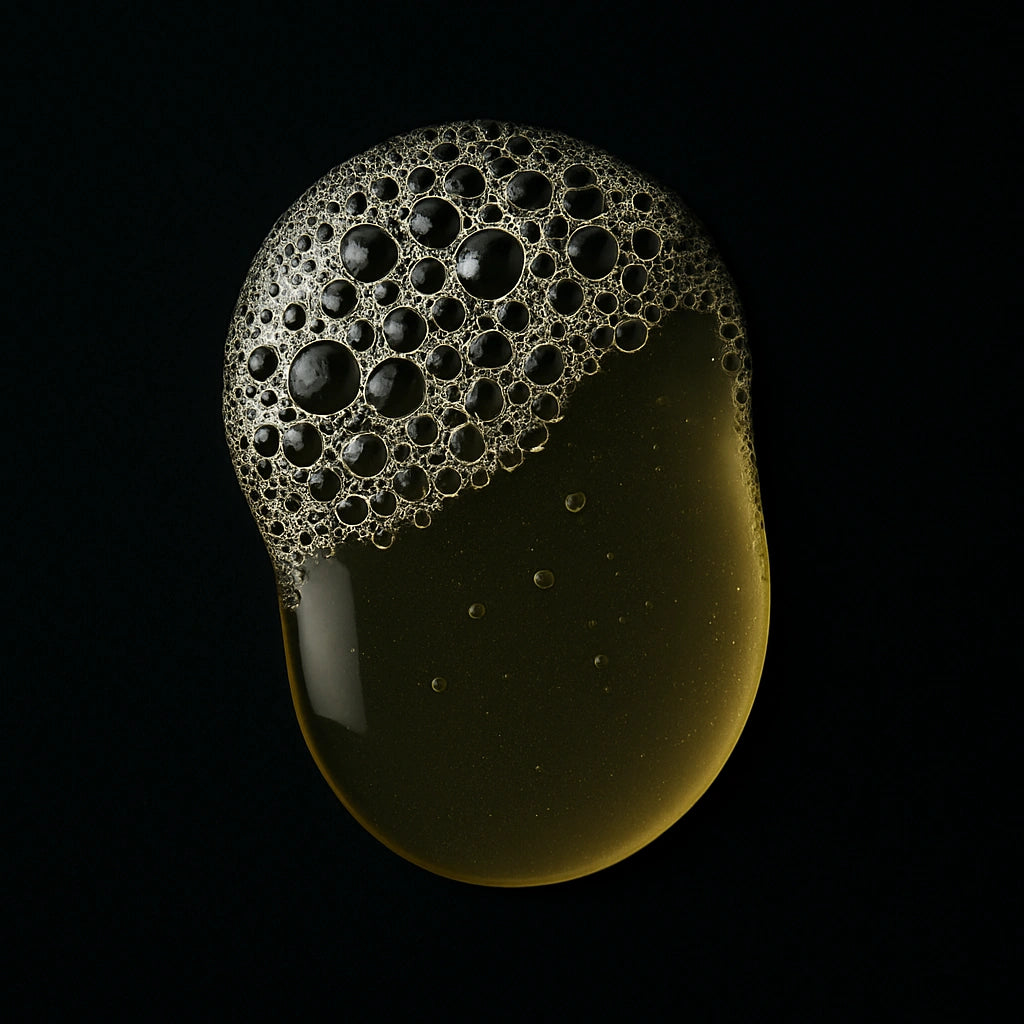
Origin: Derived from coconut amino acids
Function: Mild surfactant
Why is it used? Cleansing without irritation, suitable for sensitive skin
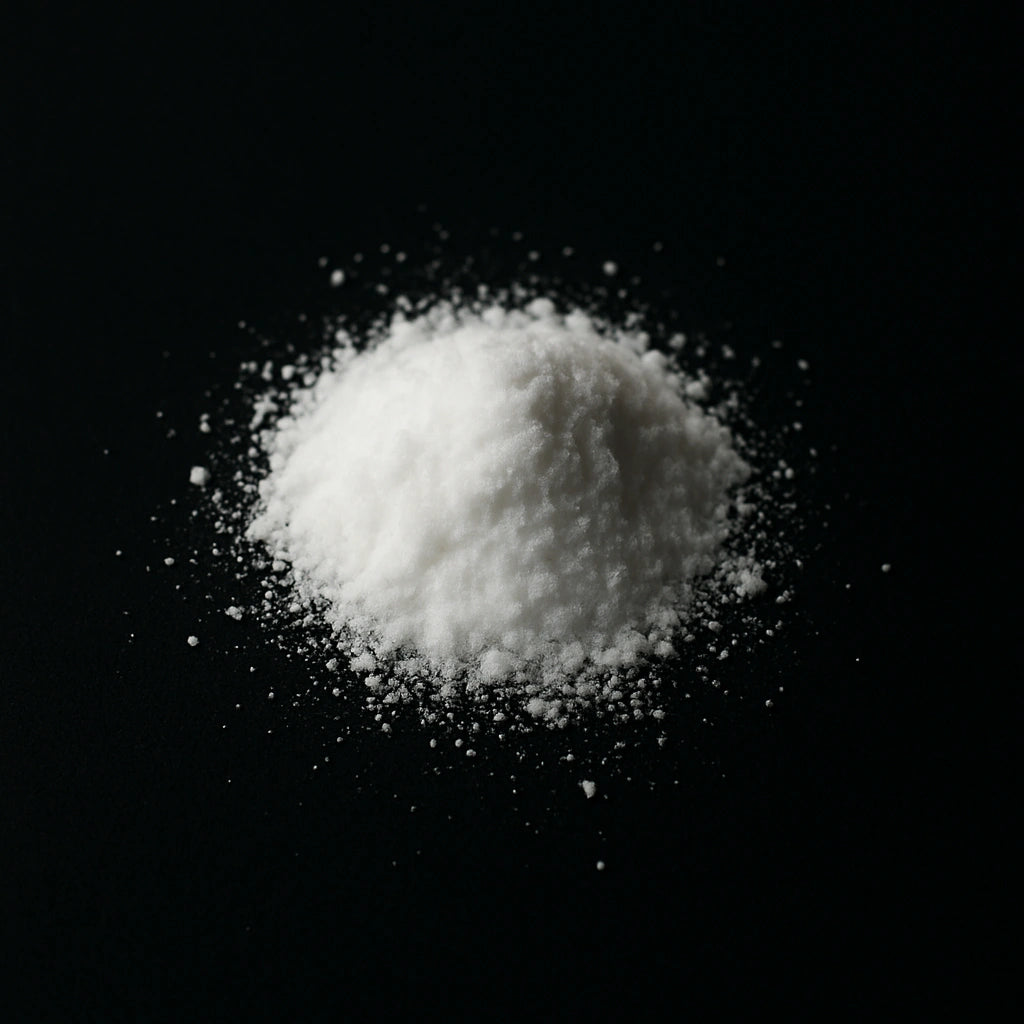
Origin: White Willow Bark (Salix alba)
Function: Gentle exfoliant and anti-inflammatory
Why is it used? Deep cleansing without drying
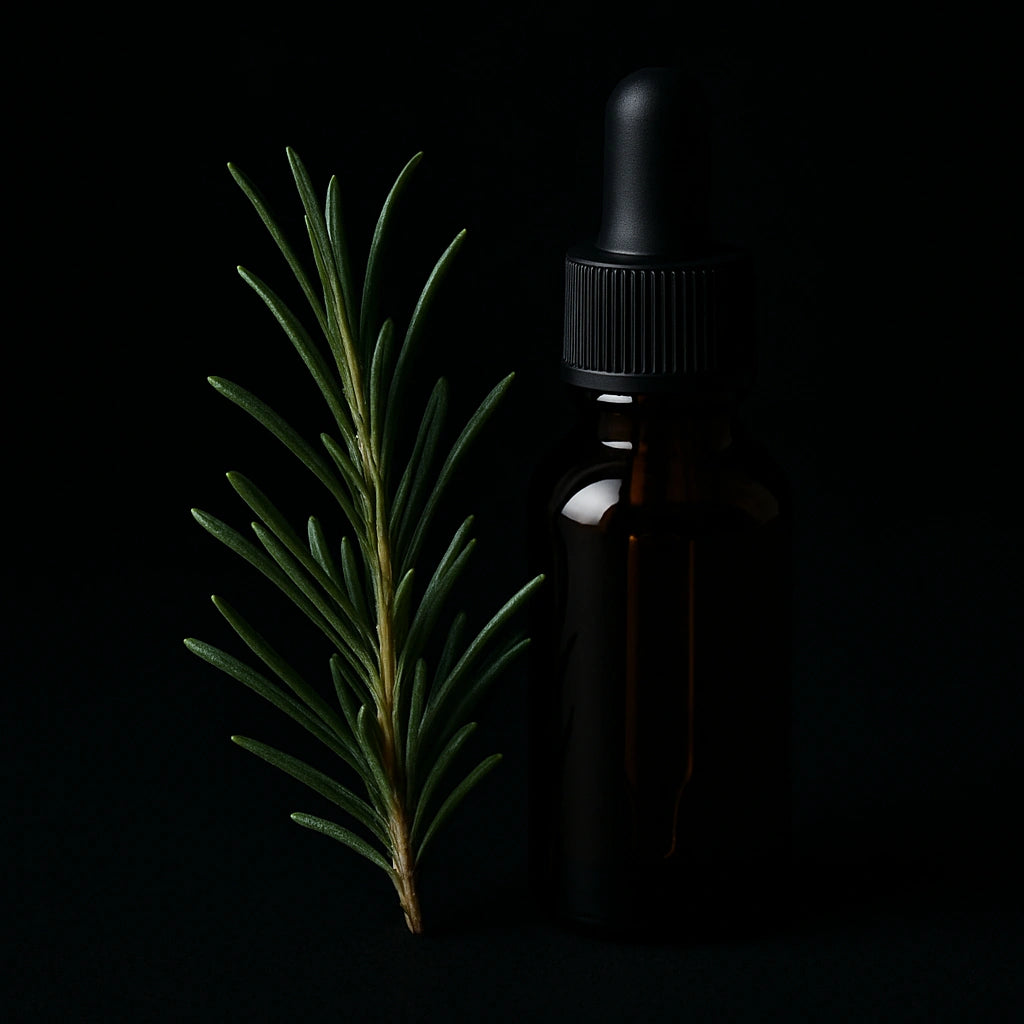
Origin: Leaves of Rosmarinus officinalis
Function: Antimicrobial, circulatory stimulant
Why is it used? Stimulates hair growth, helps protect skin
Origin: Recycled wood from a secondary paper production stream.
Function: Humectant and prebiotic
Why is it used? Hydration benefits while promoting microbiome diversity.
Origin: Fermentation
Function: pH Regulator
Why is it used? Inhibits bacterial decomposition of sweat without altering the natural flora
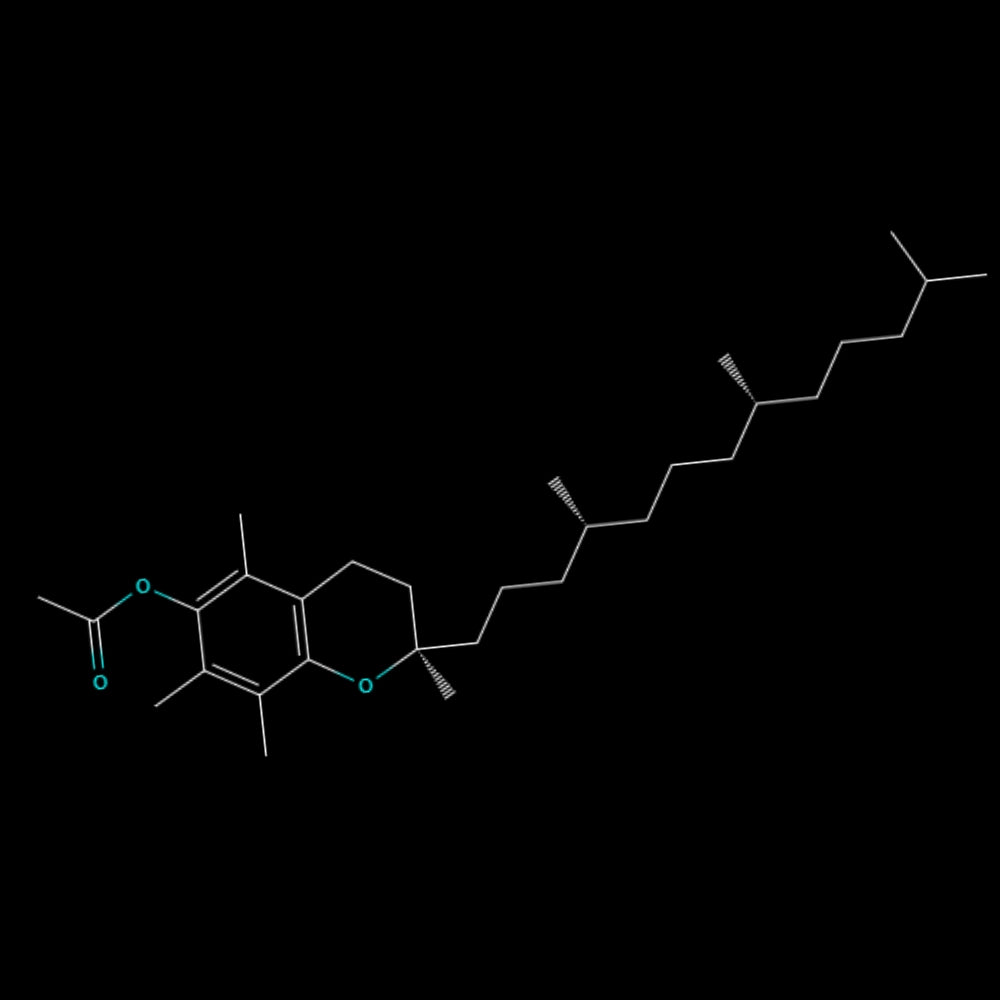
Origin: Vegetable oils (sunflower, soy)
Function: Antioxidant
Why is it used? Protects against free radicals
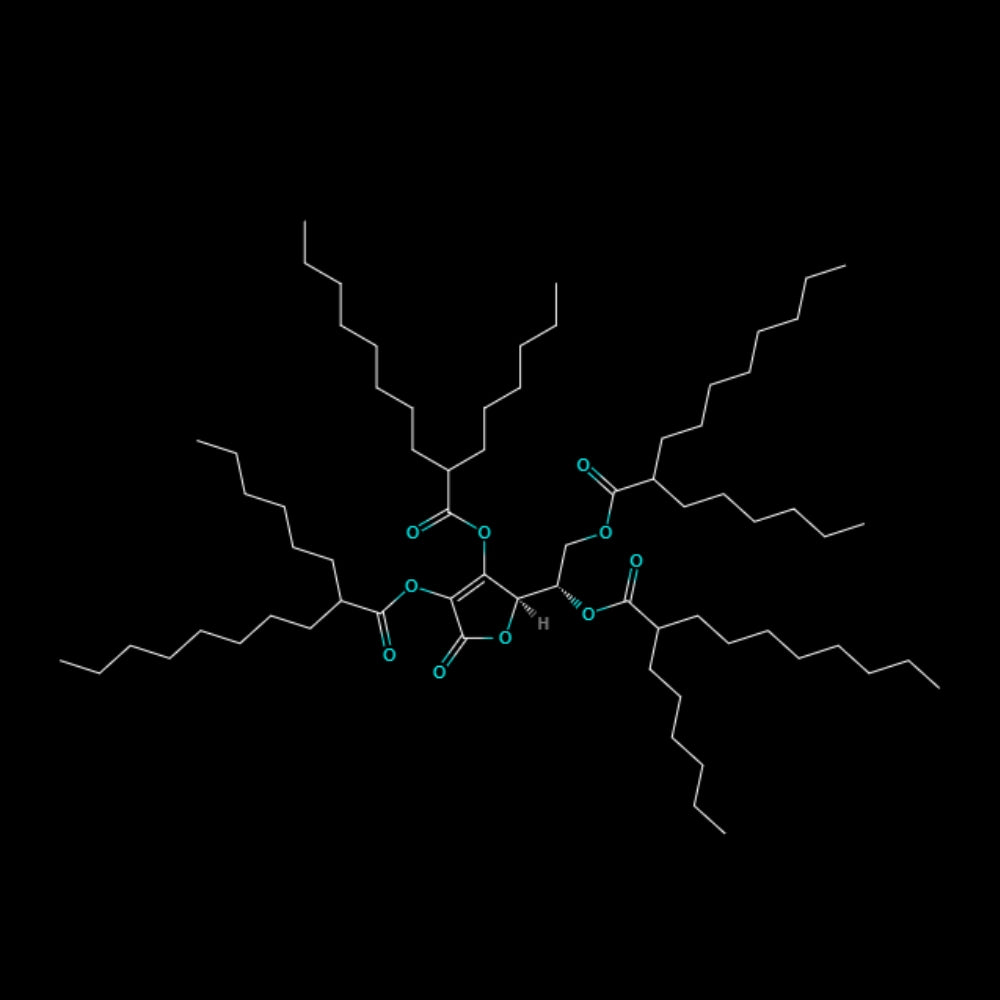
Origin: Liposoluble vitamin C derivative
Function: Antioxidant and brightener
Why is it used? Improves skin tone and protects against oxidative stress
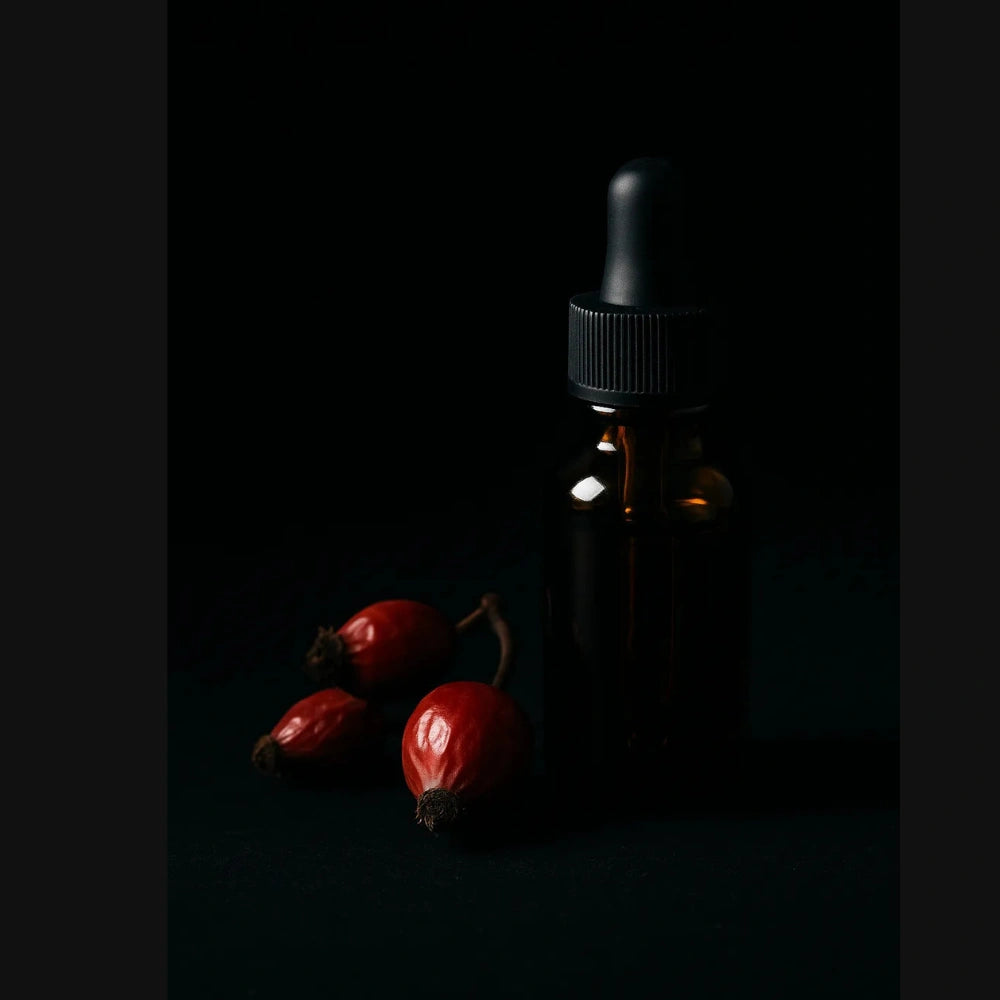
Origin: Rosehip seeds
Function: Skin regenerator
Why is it used? Helps improve marks and texture
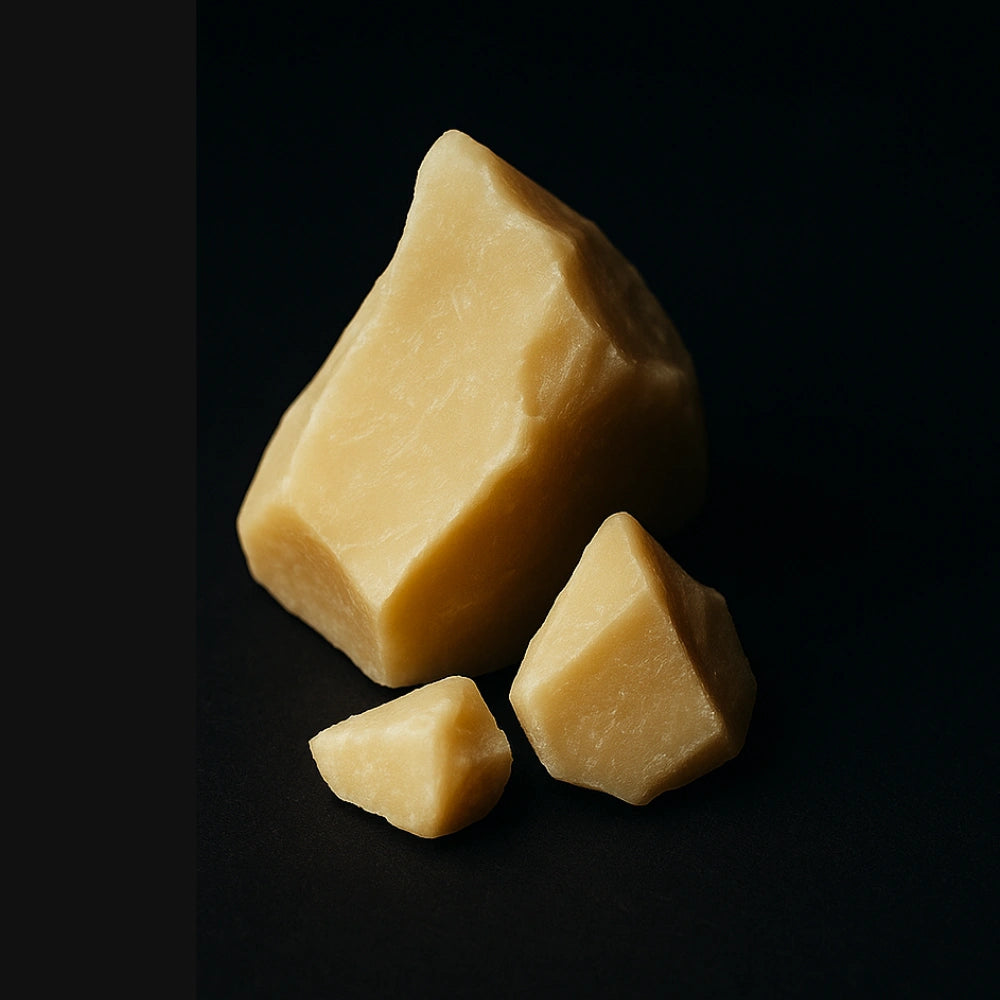
Origin: Cocoa beans (Theobroma cacao)
Function: Emollient and nourishing
Why is it used? Softens and protects the skin
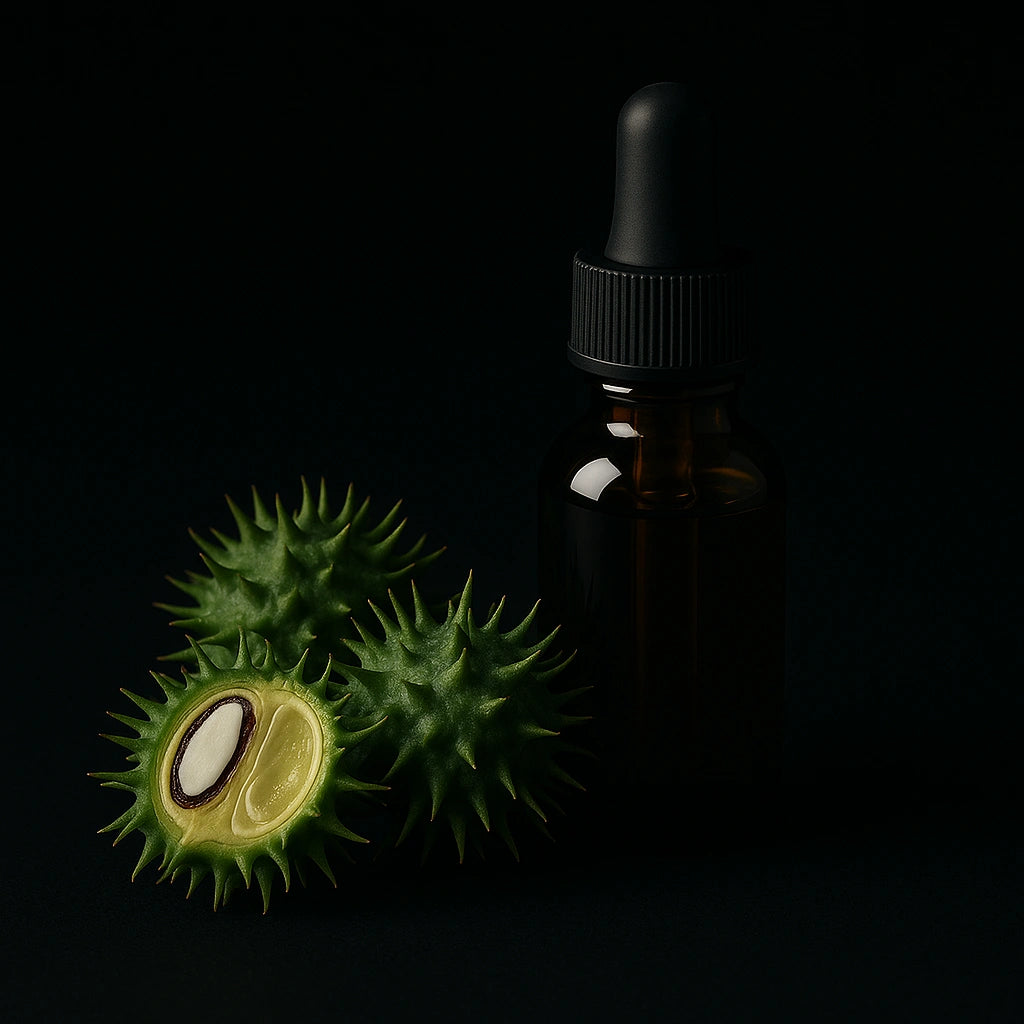
Origin: Seeds of Ricinus communis
Function: Conditioner
Why is it used? Nourishes skin and hair
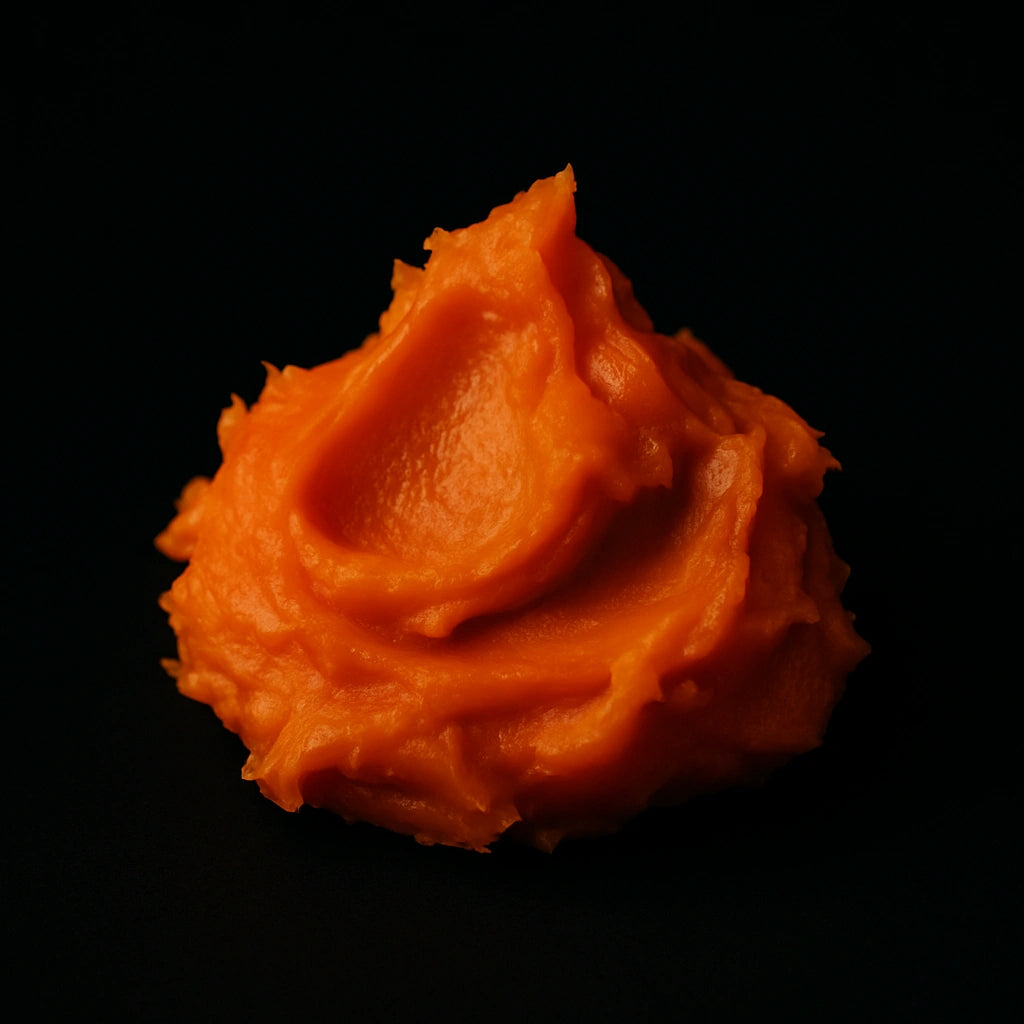
Origin: Fruit of the Elaeis guineensis palm
Function: Rich, dense texture
Why is it used? High-performance emollient base
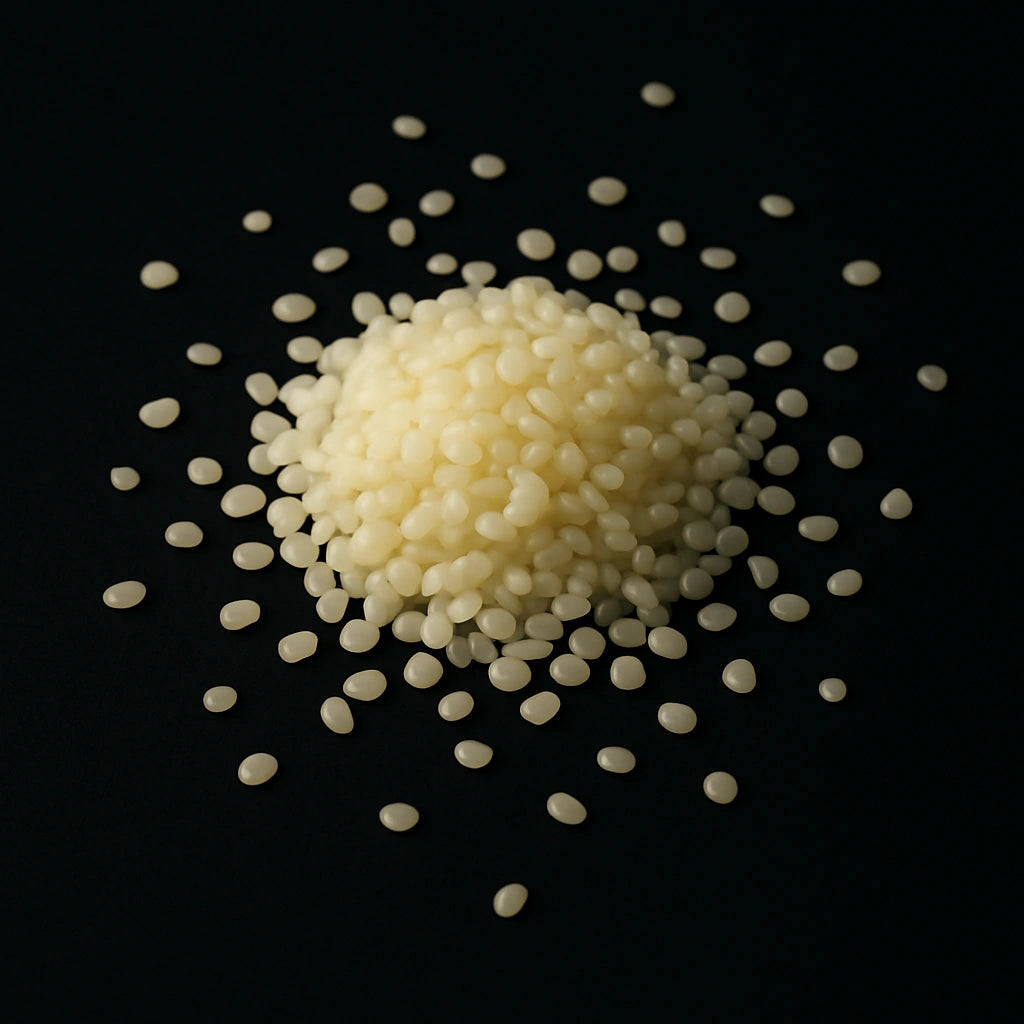
Origin: Brassica napus seeds
Function: Solid emollient
Why is it used? Adds structure and luxurious texture
Origin: Coconut oil + glycerin
Function: Dry-touch emollient
Why is it used? Lightness without obstruction
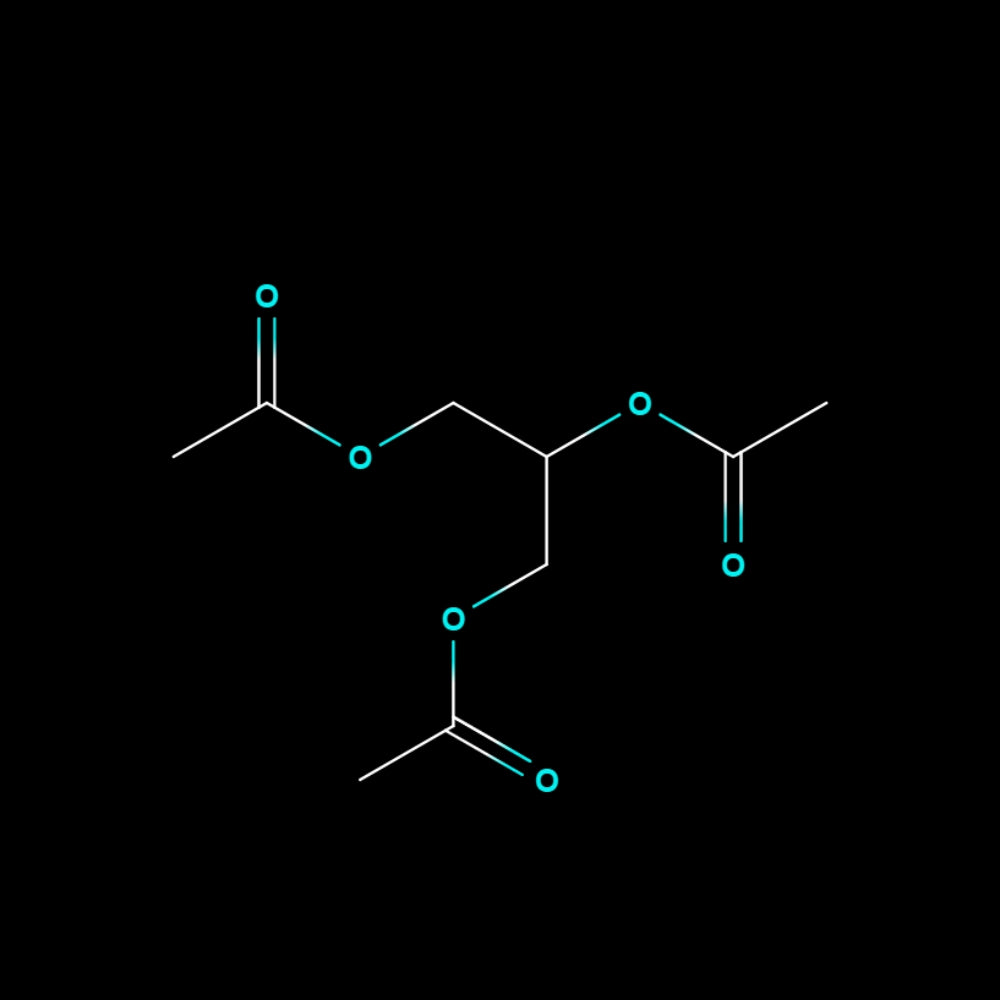
Origin: Glycerin and acetic acid
Function: Humectant + acidifier
Why is it used? Maintains optimal pH
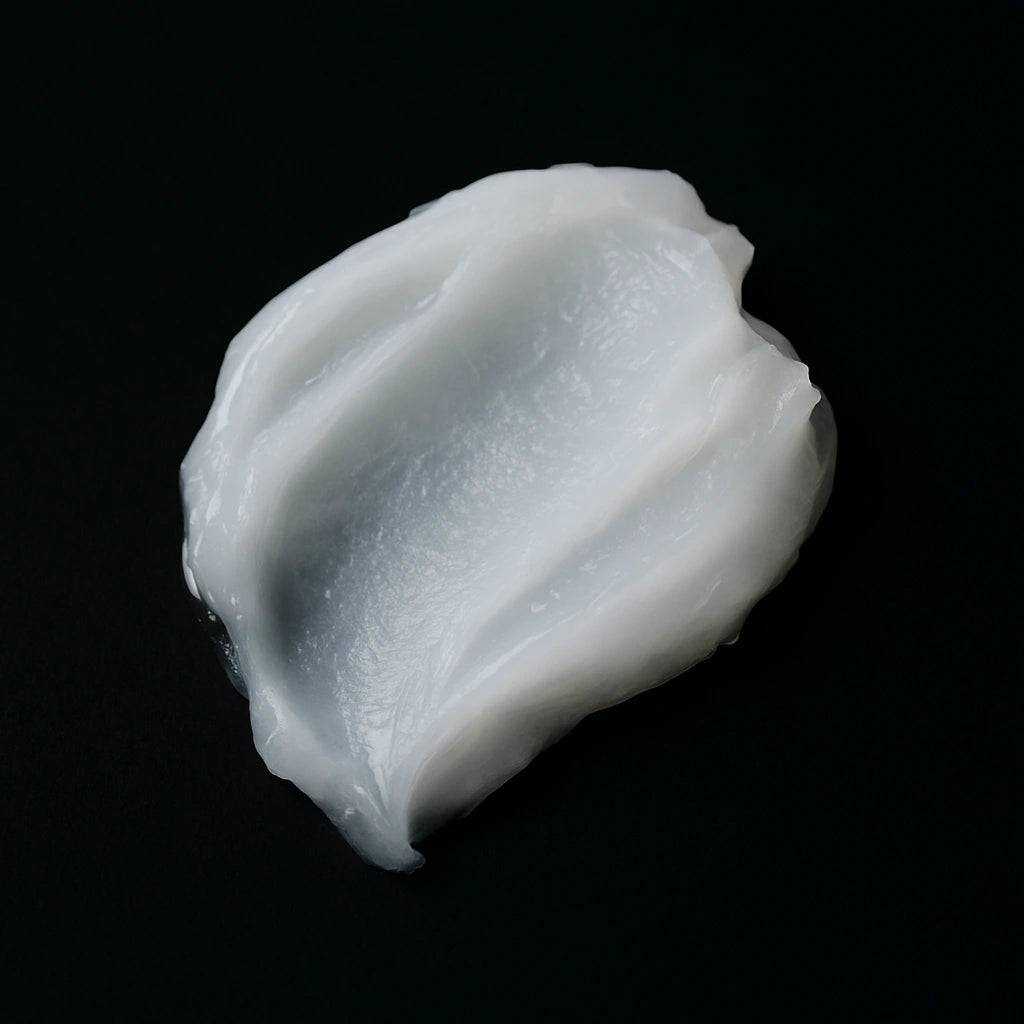
Origin: It's part of coconut oil
Function: Co-emulsifier
Why is it used? It provides stability to formulas
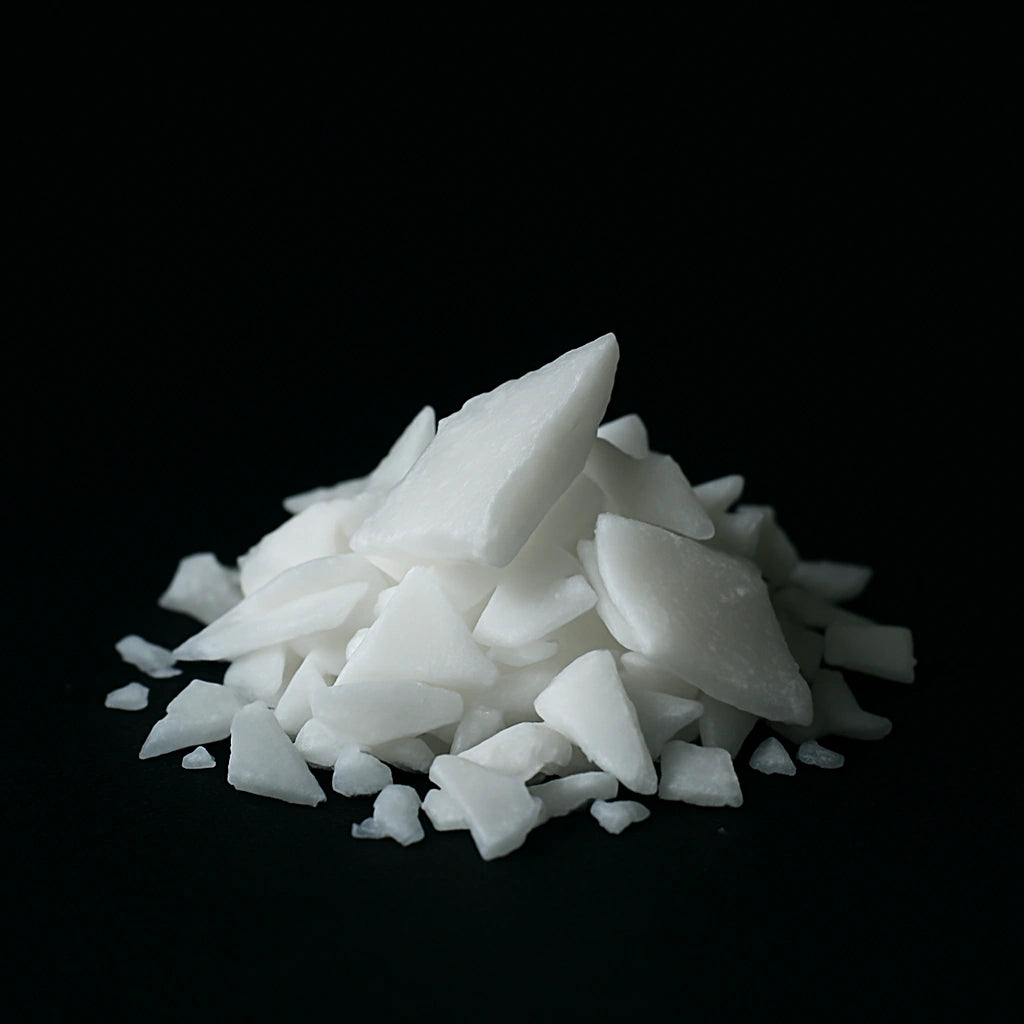
Origin: Vegetable oils
Function: Non-greasy texturizer
Why is it used? Creates a creamy texture without oiliness
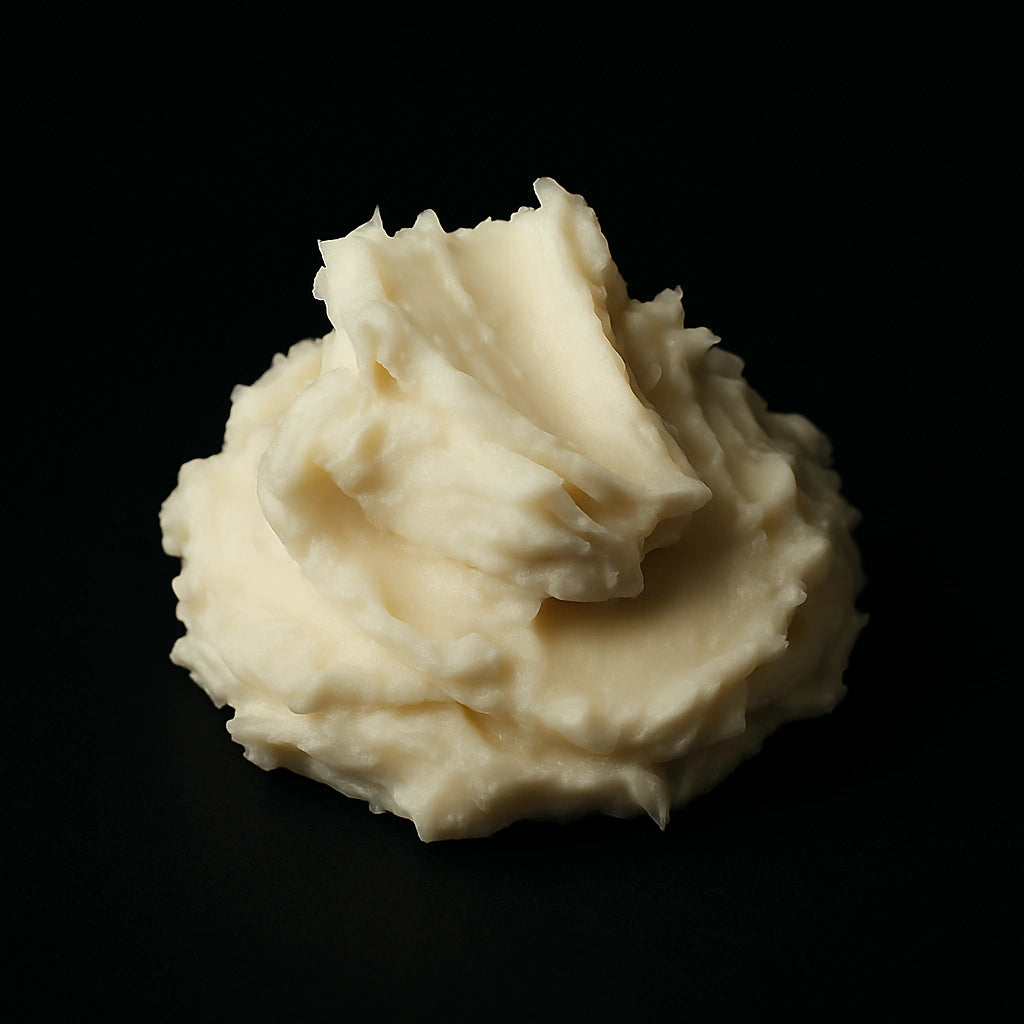
Origin: Glycine max seeds
Function: Rich in essential lipids
Why is it used? Provides softness and elasticity
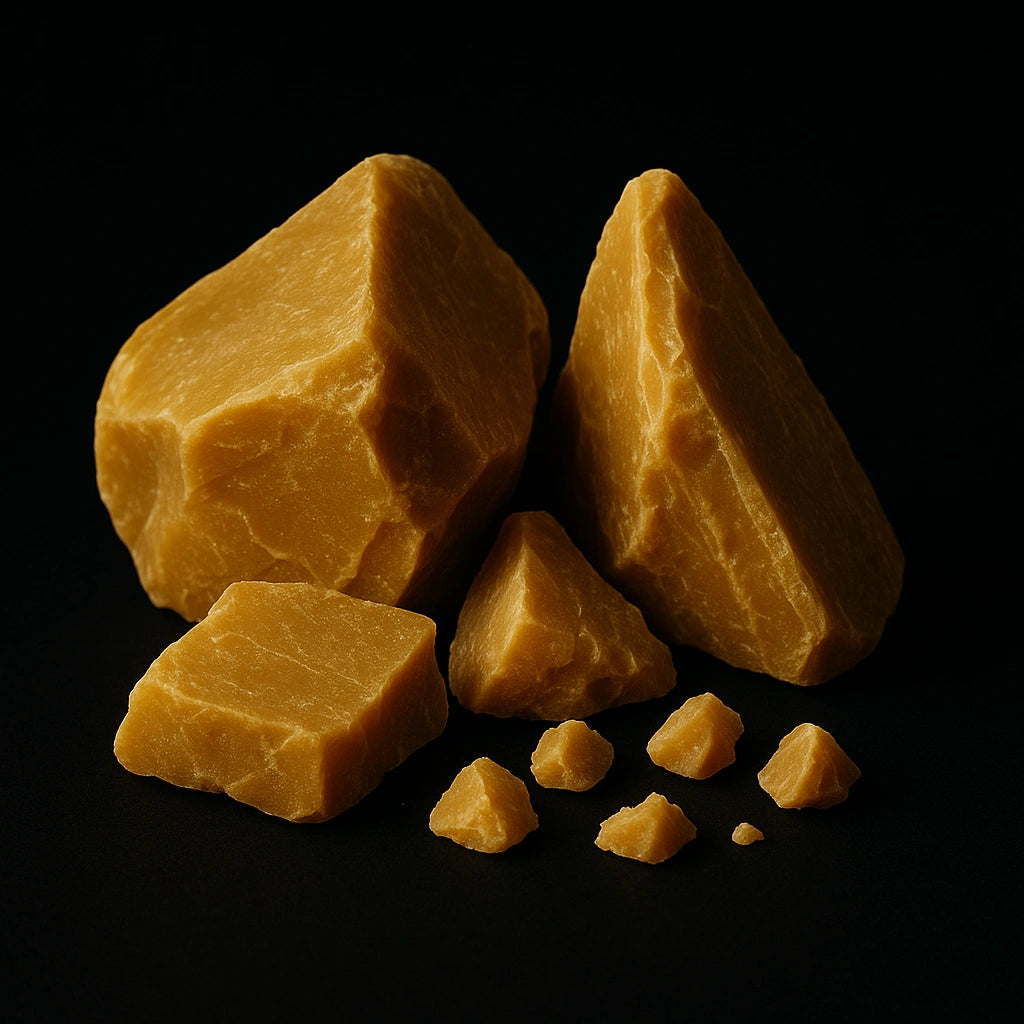
Origin: Mexican desert vegetable wax
Function: Structure and texture
Why is it used? It provides firmness without animal ingredients or petroleum derivatives
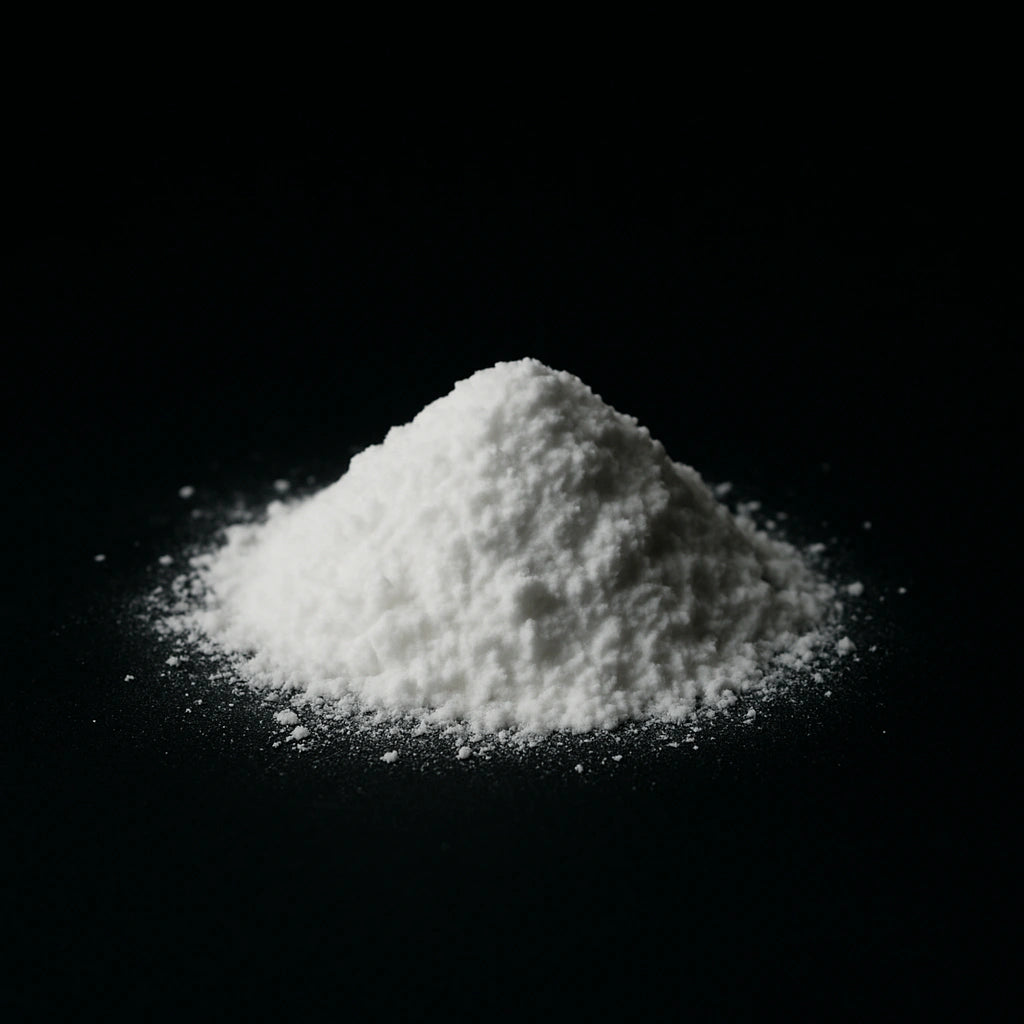
Origin: Corn
Function: Natural absorbent
Why is it used? Controls underarm wetness
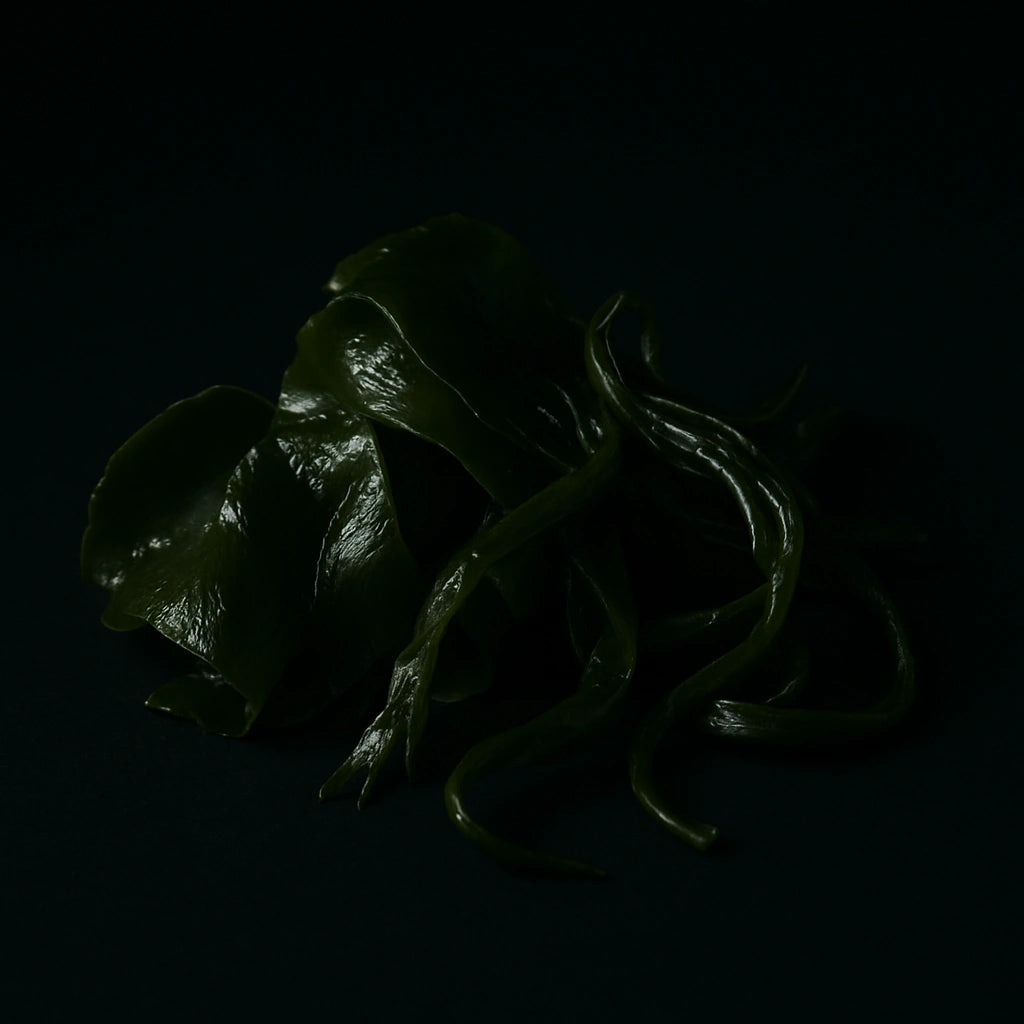
Origin: Derived from algae
Function: Natural thickener
Why is it used? It creates soft gels
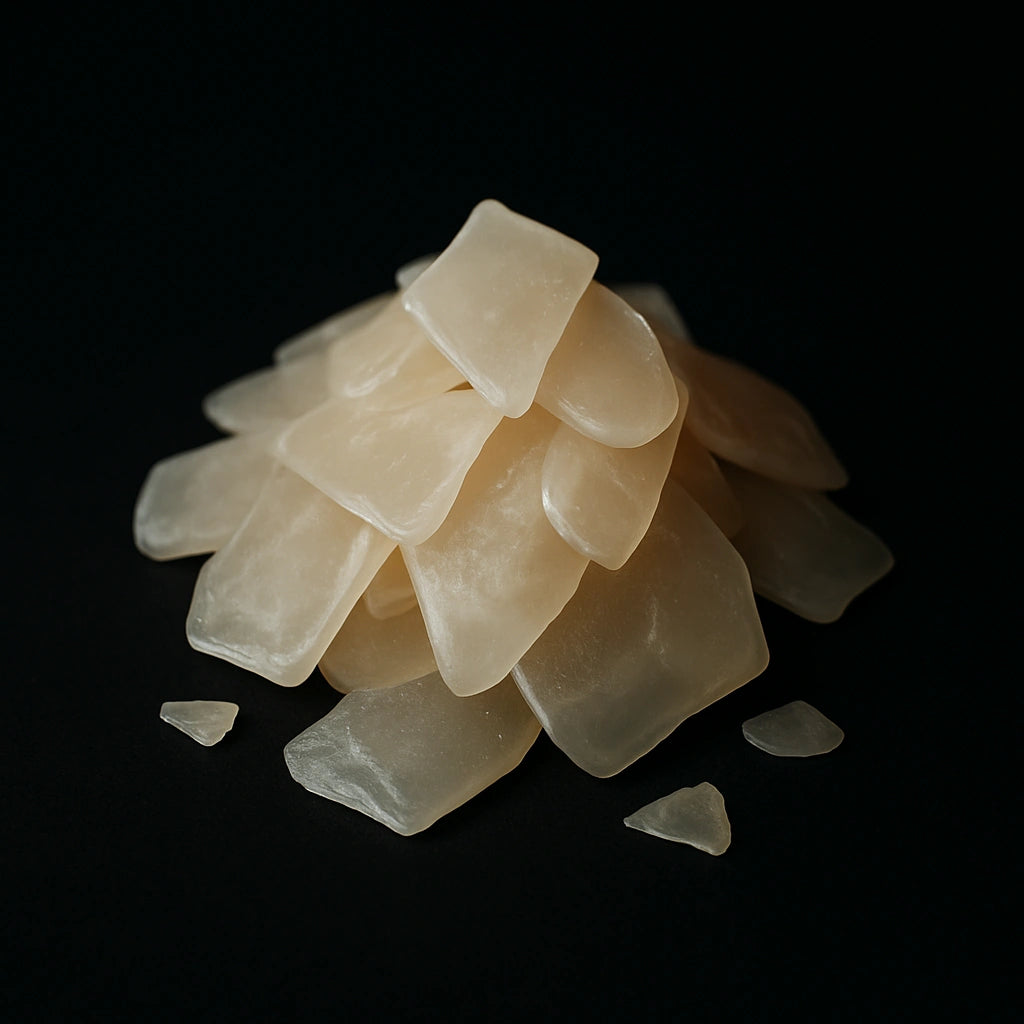
Origin: Vegetable oils
Function: Gentle emulsifier
Why is it used? Combines oil and water phases
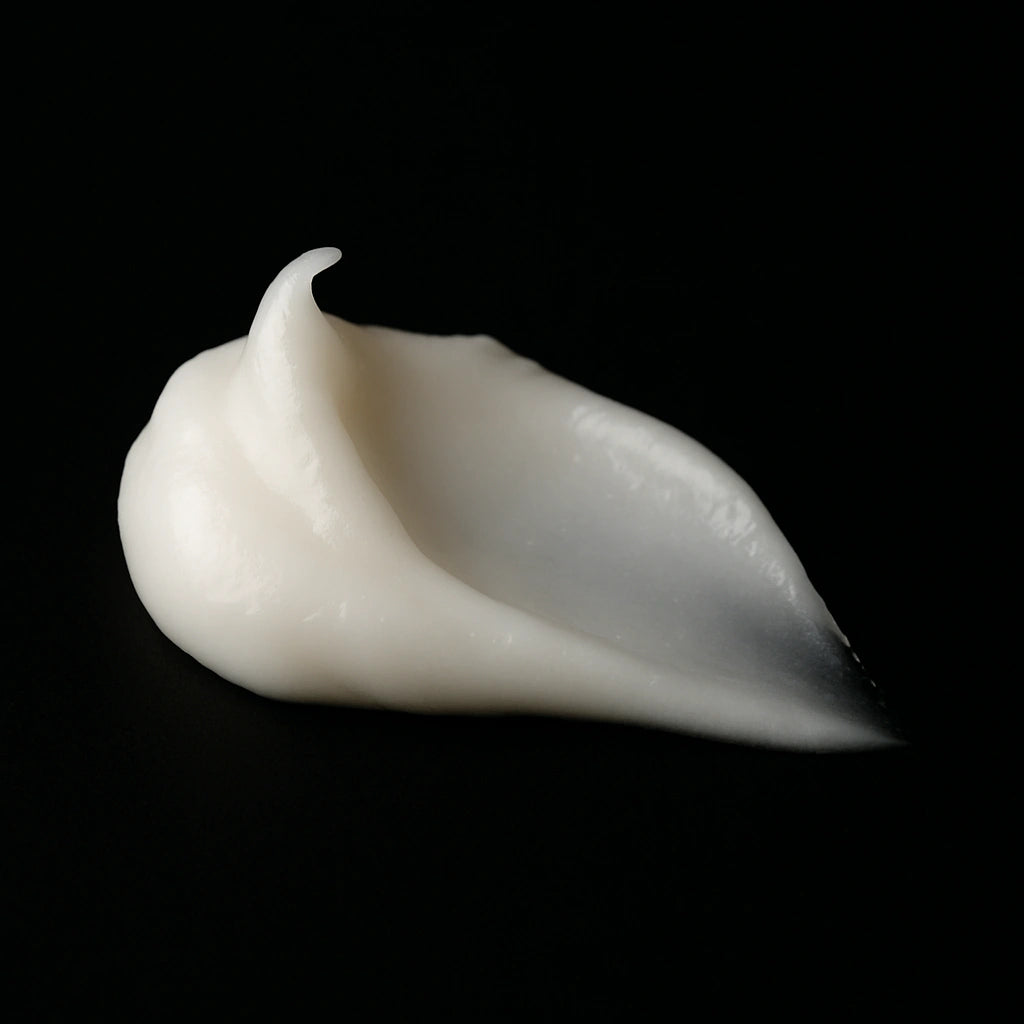
Origin: coconut and palm
Function: Co-emulsifier, emollient
Why is it used? Improves texture and stability
Origin: Coconut, palm and castor oil
Function: co-emulsifier, antifungal
Why is it used? Provides antimicrobial safety
Origin: Castor and palm
Function: Mild preservative and emollient
Why is it used? Prevents microbial growth without irritating the skin
Origin: Derived from corn
Function: Softening, light texture
Why is it used? Improves sensoriality without grease
Origin: Derived from plant cellulose
Function: Natural gelling agent
Why is it used? Provides viscosity
Origin: Fermentation of vegetable oils or sugarcane
Function: Universal humectant
Why is it used? Attracts and retains moisture in the skin
Origin: Glucose fermentation (corn)
Function: Light humectant
Why is it used? Hydration without a sticky feeling
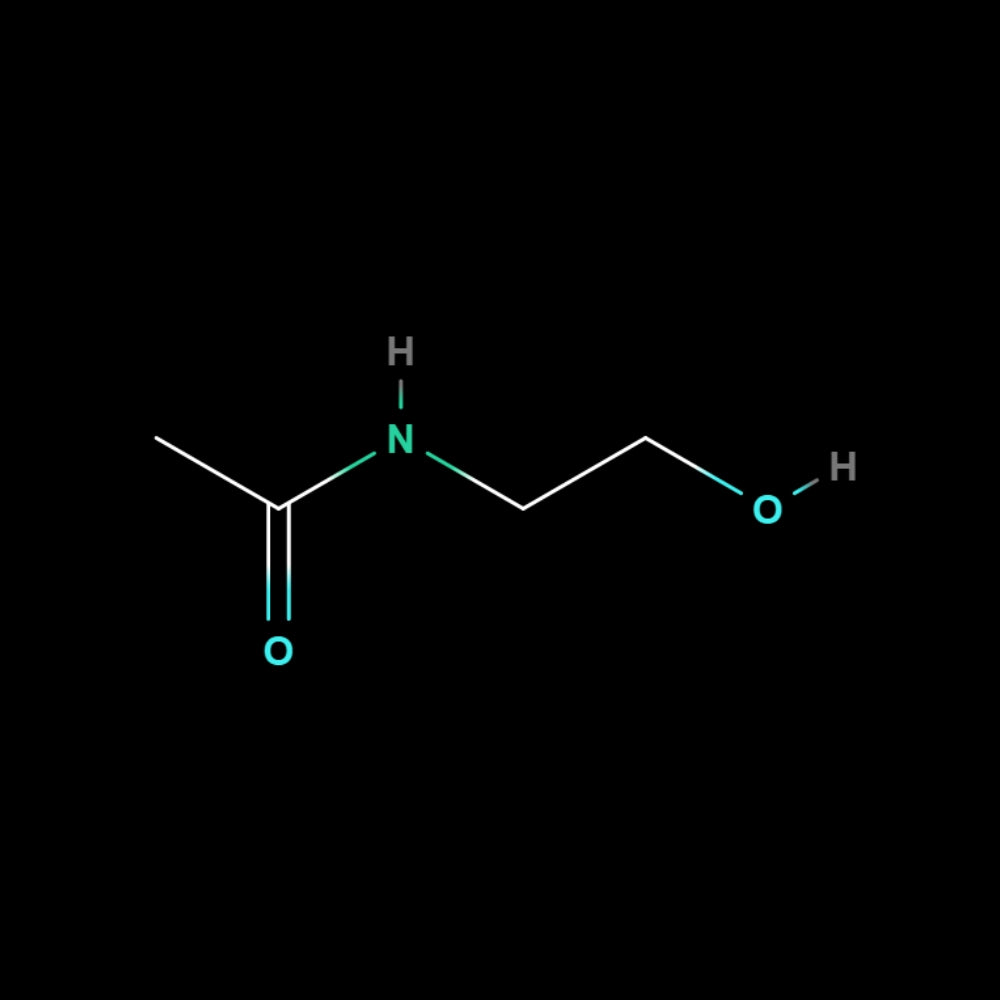
Origin: Plant-derived
Function: Humectant and conditioner
Why is it used? Retains moisture in scalp and skin
Origin: Derived from vitamin B5 (sugar cane)
Function: Restorative and deeply moisturizing
Why is it used? Improves skin barrier and soothes irritations
Origin: Comfrey extract or botanical synthesis
Function: Soothing and moisturizing
Why is it used? Ideal for sensitive or irritated skin
Origin: Corn fermentation
Function: Humectant and absorption enhancer
Why is it used? Allows better penetration of active ingredients
Origin: Blend of essential oils and biodegradable compounds
Function: Aroma
Why is it used? Fragrance without endocrine disruptors
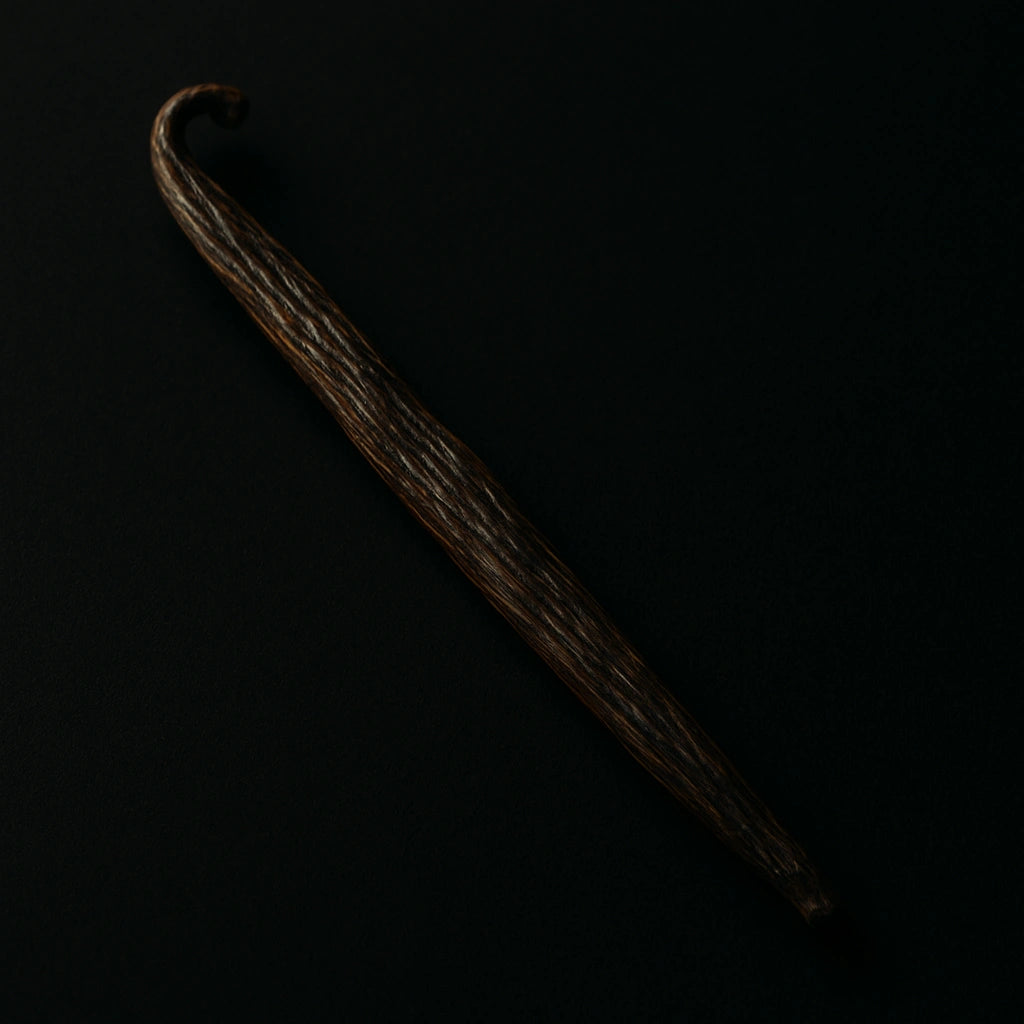
Origin: Fermentation of lignin or natural vanilla
Function: Sweet, warm note
Why is it used? Provides sensory comfort
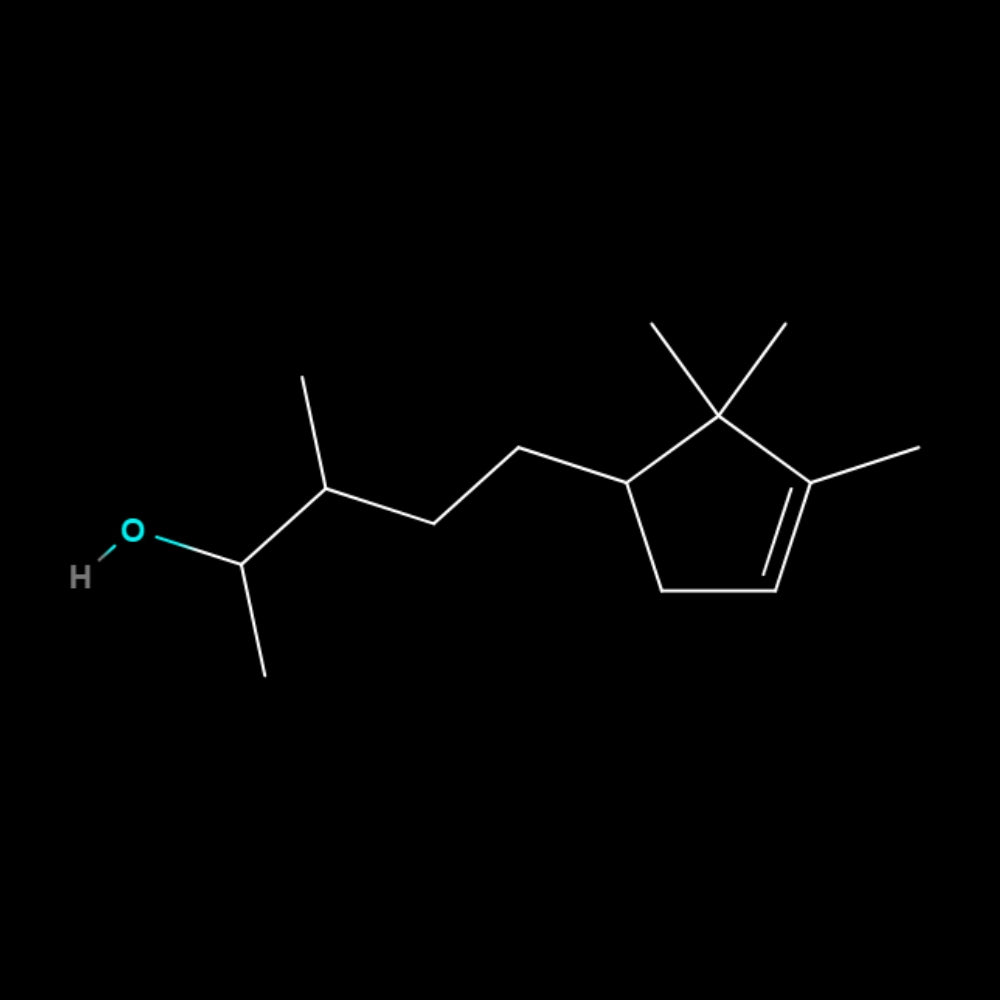
Origin: Safe and biodegradable synthetic molecule
Function: Woody note
Why is it used? Olfactory active with emerging studies on its relationship with hair follicle well-being.
Origin: Lactic acid and coconut oil
Function: Mild surfactant
Why is it used? Cleans without drying
Origin: Coconut
Function: Mild surfactant
Why is it used? Compatible with sensitive skin
Origin: Vegetable oils
Function: Emulsifier
Why is it used? Cleans gently
Origin: H20
Function: Vehicle
Why is it used? It allows ingredients to be mixed
Origin: Citrus fermentation
Function: pH regulator
Why is it used? Prevents irritation due to alkalinity
Origin: Glucose fermentation
Function: Chelating agent
Why is it used? Stabilizes formulas containing minerals
All our products are formulated with natural ingredients and packaged in sustainable materials. ㅤㅤㅤㅤㅤㅤㅤ
Become part of the Maxalli network. Do you share our vision of innovation, design, and performance? This space is for you.

Explore the hidden side of personal care: ingredients, science, and strategies that redefine what's natural. Discover what no one tells you about personal care.