Maxalli Blog | Natural ingredients, science, and routines
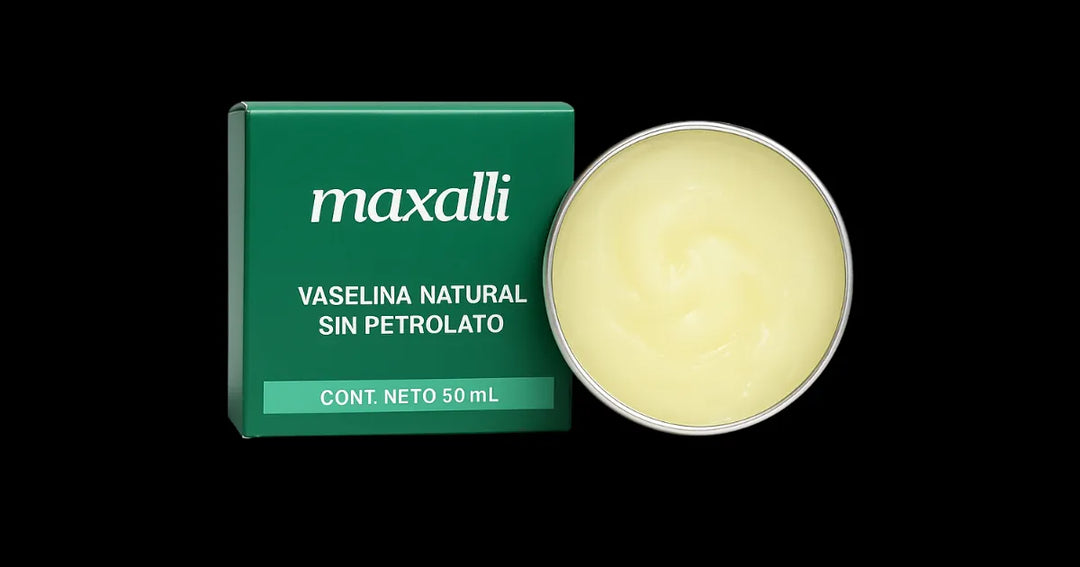
Natural petroleum jelly is a mixture of plant-based ingredients with emollient, protective, and moisturizing properties. It is made with plant oils and waxes. Unlike petrolatum, which forms an occlusive barrier that does not allow the skin to breathe, natural petroleum jelly allows skin perspiration while retaining moisture. In addition, it provides essential nutrients that help keep skin healthy and soft.
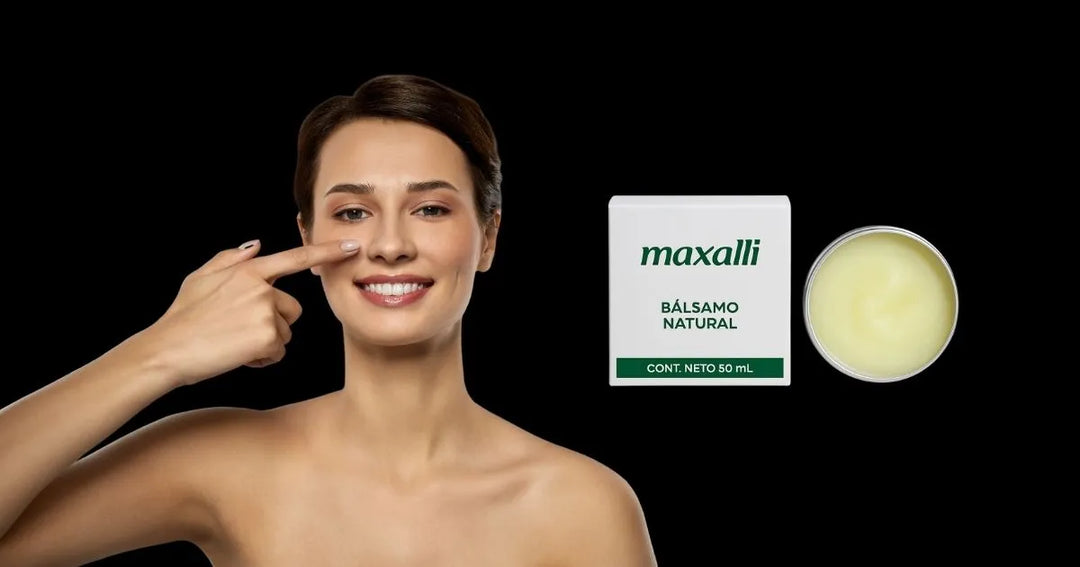
In the search for a cleaner, more conscious, and minimalist skincare routine, many people are leaving behind conventional creams full of water, harsh preservatives, and plastic packaging. The solution: a solid and natural alternative, such as the Maxalli Repairing Natural Balm.
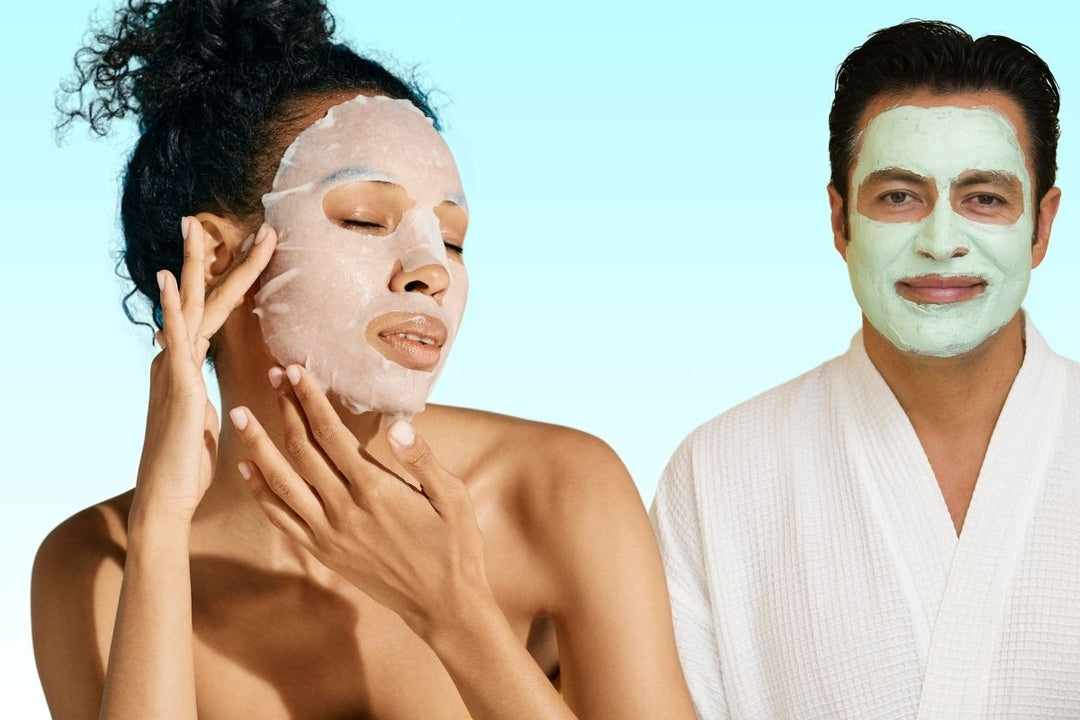
Face masks have gained fame as the perfect self-care ritual, but... do they really work? And what's the best option if you have oily or sensitive skin, or just want something natural that won't irritate?
In this article, we explain what makes a good face mask, which ingredients to look for (and which to avoid), and how to choose an option that truly makes a difference — without empty promises.
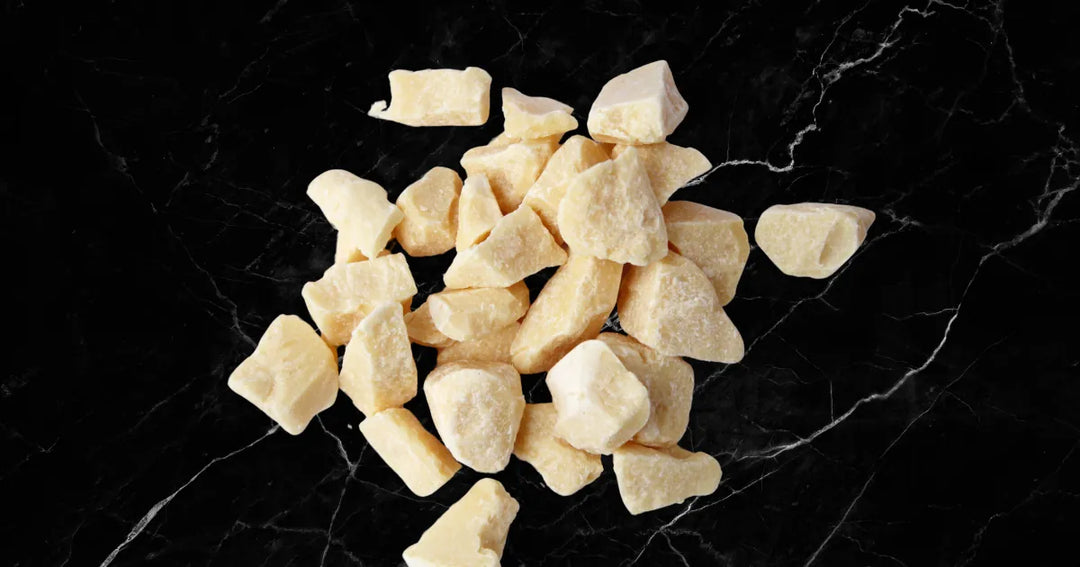
Cocoa butter has gained fame as one of the most popular ingredients for moisturizing lips. Its rich texture, natural aroma, and plant-based origin make it very appealing. But here's an uncomfortable truth: using pure cocoa butter directly on your lips isn't as good an idea as it seems.
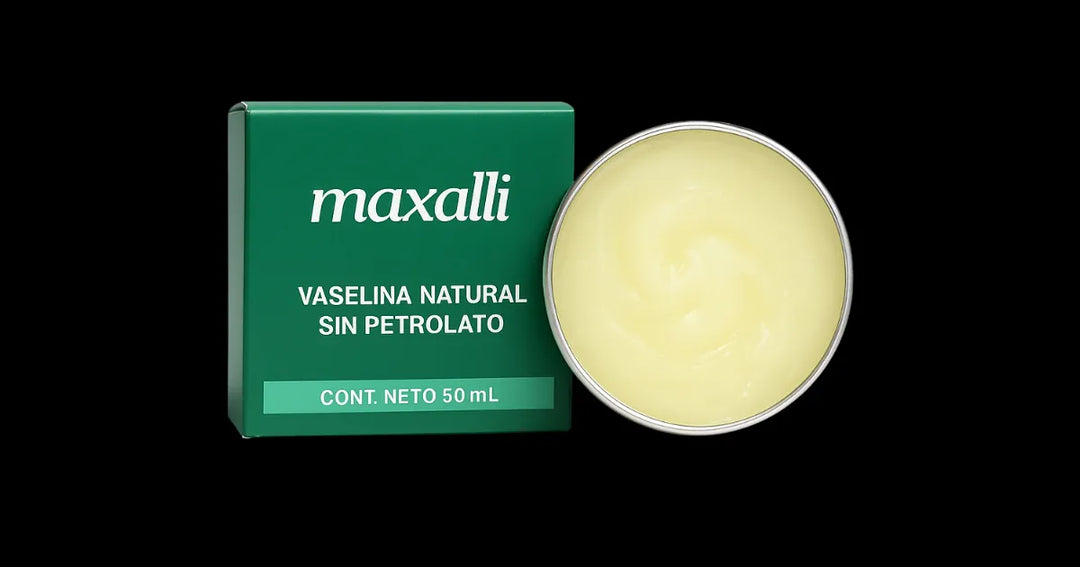
Most ointments or "petroleum jellies" we see in pharmacies are made of a single ingredient: petrolatum. A byproduct of the petroleum industry, refined and bleached. Although it is cheap and creates an effective barrier, it does not nourish, does not allow the skin to breathe, and in many cases, only masks the problem without treating it.
That's why more and more people are switching to clean formulas, such as Maxalli's Natural Petroleum Jelly, a multi-purpose petrolatum-free ointment designed to truly and consciously care for your skin.