


Vitamin E: what is it for?
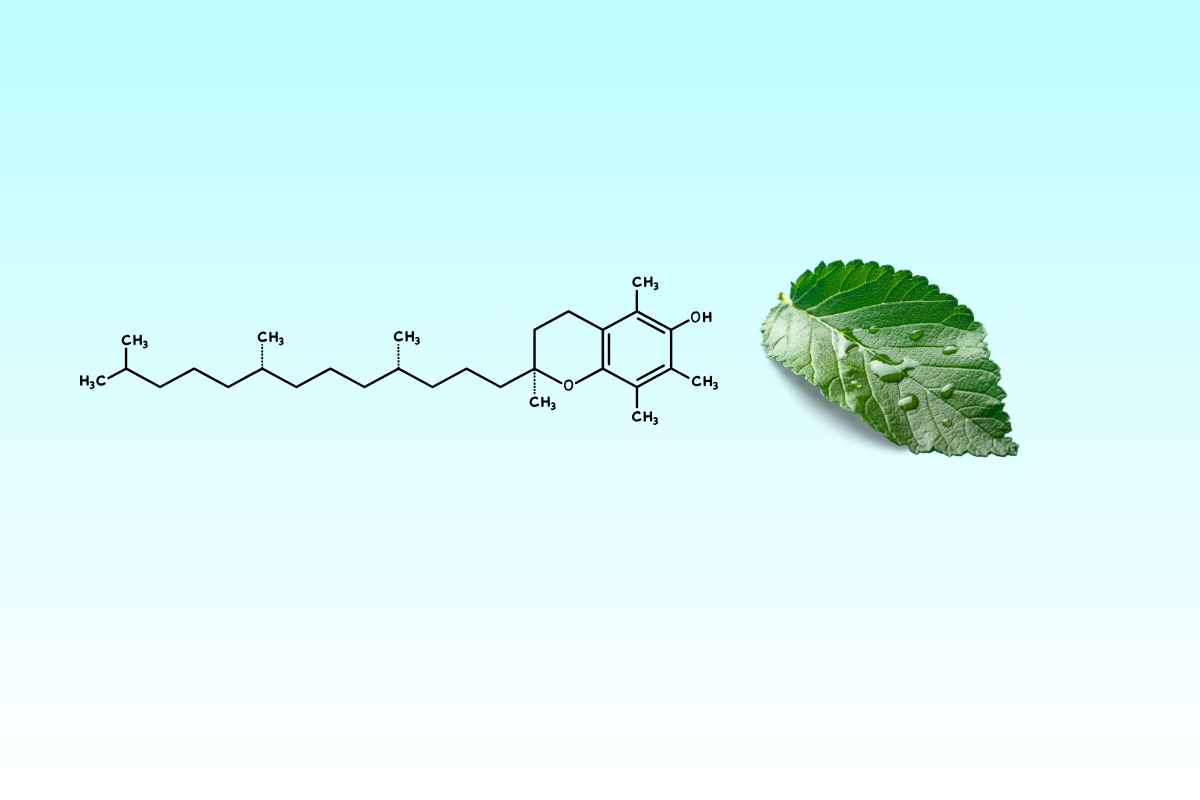
Vitamin E: What is it for and what are its benefits?
Vitamin E is an essential nutrient with a fundamental role in body health. It is a natural antioxidant that protects body cells against oxidative damage, helps the immune system, and contributes to the health of the skin, hair, and other organs. In this article, we will explore what vitamin E is for, its benefits, natural sources, and the best ways to incorporate it into your diet.
What is vitamin E?
Vitamin E is a group of fat-soluble compounds known as tocopherols and tocotrienols. Its main function in the body is to act as an antioxidant, protecting cells from damage caused by free radicals, which can contribute to premature aging and various chronic diseases.
Since it is a fat-soluble vitamin, the body stores it in adipose tissue and the liver, which means it doesn't need to be consumed in large daily quantities. However, maintaining an adequate level is essential for overall health.
What is vitamin E for?
Vitamin E has numerous health benefits, including:
-
Antioxidant power: It neutralizes free radicals that damage cells and can contribute to the development of cardiovascular diseases, cancer, and other chronic conditions.
-
Skin health: It helps keep skin hydrated, reduces damage caused by sun exposure, and can improve the healing of wounds and burns.
-
Strengthening the immune system: It contributes to the body's defense against infections and diseases.
-
Cardiovascular health: It can help prevent the oxidation of LDL ("bad cholesterol"), reducing the risk of heart disease.
-
Hair care: It promotes a healthy scalp, encouraging growth and reducing dryness and hair loss.
-
Brain function and eye health: Studies suggest that vitamin E could help reduce the risk of neurodegenerative diseases like Alzheimer's and improve eye health by protecting against oxidative damage.
-
Fertility: It has been linked to improved fertility in men and women by protecting sperm quality and supporting hormonal balance.
Natural sources of vitamin E
Including vitamin E-rich foods in your diet is the best way to obtain this nutrient naturally. Some of the best sources include:
-
Vegetable oils: Sunflower oil, olive oil, wheat germ oil, and almond oil.
-
Nuts and seeds: Almonds, walnuts, hazelnuts, sunflower seeds, and pumpkin seeds.
-
Green leafy vegetables: Spinach, chard, broccoli, and kale.
-
Fruits: Mango, kiwi, avocado, and berries.
-
Fish and seafood: Salmon, trout, and shrimp.
-
Fortified products: Some cereals and juices are enriched with vitamin E.
How to consume vitamin E?
The best way to get vitamin E is through a balanced diet. However, in some cases, it may be necessary to resort to supplements, especially if a person has a deficiency of this vitamin. Some forms of consumption include:
-
Through daily diet: Naturally incorporating vitamin E-rich foods into the diet.
-
Vitamin E supplements: Available in capsules, tablets, and liquids, but should always be consumed under medical supervision.
-
Topical use: Creams, oils, and serums with vitamin E can be applied directly to the skin to improve its hydration and elasticity.
How much vitamin E is needed per day?
The recommended daily allowance (RDA) of vitamin E varies depending on age and sex. According to health guidelines, the recommended doses are:
-
Infants (0-6 months): 4 mg (6 IU)
-
Infants (7-12 months): 5 mg (7.5 IU)
-
Children (1-3 years): 6 mg (9 IU)
-
Children (4-8 years): 7 mg (10.4 IU)
-
Children (9-13 years): 11 mg (16.4 IU)
-
Adolescents and adults (14+ years): 15 mg (22.4 IU)
-
Pregnant women: 15 mg (22.4 IU)
-
Lactating women: 19 mg (28.5 IU)
Note: The international unit (IU) is another way to measure vitamin E in some products.
Vitamin E deficiency and excess
Vitamin E deficiency
Although rare, vitamin E deficiency can occur in people with fat absorption problems or conditions such as cystic fibrosis. Symptoms include:
-
Muscle weakness
-
Coordination and balance problems
-
Vision impairment
-
Weakened immune system
Excess vitamin E
Excessive consumption of vitamin E through supplements can lead to adverse effects such as:
-
Risk of excessive bleeding
-
Gastrointestinal problems
-
Fatigue and weakness
-
Interference with other medications (such as anticoagulants)
For this reason, it is important not to exceed the recommended dose without consulting a healthcare professional.
Conclusion
Vitamin E is an essential nutrient with powerful health benefits, from protecting skin and hair to strengthening the immune system and reducing the risk of chronic diseases. It is found in a wide variety of foods, and adequate consumption can improve quality of life.
While vitamin E deficiency is rare, it is essential to maintain a balanced diet to reap all its benefits naturally. Before taking supplements, it is always advisable to consult a specialist to ensure it is safe and appropriate for you.




Leave a comment