


Aluminum Salts: Risks, Controversies, and Natural Alternatives
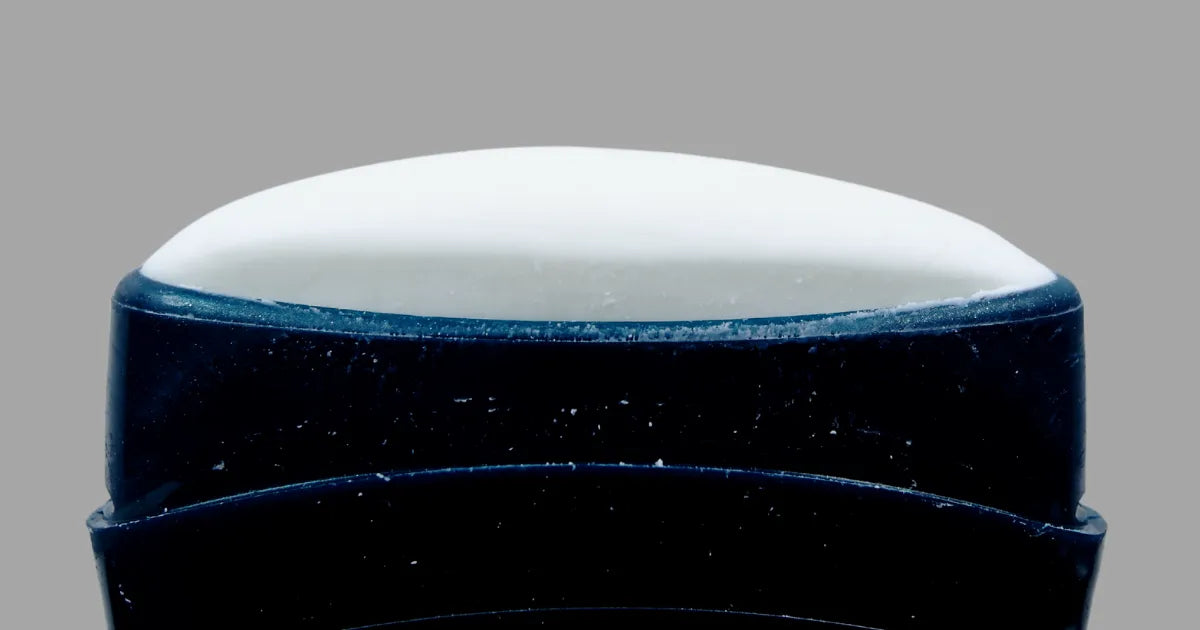
Aluminum salts are the most commonly used active ingredients in commercial antiperspirants due to their ability to reduce sweating by temporarily blocking sweat ducts. Over the years, they have been the subject of multiple studies and debates regarding their safety, potential adverse effects, and their association with diseases such as breast cancer and Alzheimer's.
This report provides a detailed analysis of aluminum salts in antiperspirants, addressing their mechanism of action, health impact, regulations, scientific evidence, and available alternatives in the market.
1. Introduction
Antiperspirants are widely used personal hygiene products to control sweating and body odor. Unlike deodorants, which mask odor without affecting sweat production, antiperspirants contain active compounds that inhibit sweat secretion, primarily through the use of aluminum salts.
The most common aluminum salts in antiperspirants include:
- Aluminum chloride (AlCl₃)
- Aluminum chlorohydrate (AlCl₃·6H₂O)
- Aluminum zirconium chlorohydrate (AlZr)
- Aluminum hydroxybromide
- Aluminum sulfate
- Alum
These compounds work by forming a temporary plug in the sweat ducts, reducing the amount of sweat excreted on the skin. However, their use has raised concerns about their possible absorption into the body and their long-term effects on human health.
2. Mechanism of Action of Aluminum Salts
The mechanism of action of antiperspirants with aluminum salts involves several steps:
- Application to the skin: The product is deposited on the skin surface and absorbed by the sweat pores.
- Reaction with sweat: Aluminum salts dissolve in the presence of moisture and form an insoluble gel inside the sweat duct.
- Temporary blockage: This gel creates a plug that prevents sweat from exiting.
- Natural elimination: Over time, the plug breaks down and is eliminated through the natural process of skin regeneration.
This blockage is reversible and does not destroy the sweat glands, allowing sweating to resume when the product is no longer applied.
3. Safety and Controversy over Aluminum Salts
Despite the widespread acceptance of antiperspirants, there have been concerns about the effects of aluminum absorption on health. The main areas of controversy include:
3.1 Relationship between Aluminum and Breast Cancer
It has been speculated that the application of antiperspirants containing aluminum salts to the underarm area could contribute to breast cancer due to:
- Absorption through the skin: Some research has raised the possibility that aluminum penetrates the skin and accumulates in breast tissue.
- Estrogenic effect: It has been suggested that aluminum may have properties that mimic estrogens, hormones that play a key role in the development of breast cancer.
Aluminum-based antiperspirant salts, such as aluminum chloride, aluminum chlorohydrate, or aluminum zirconium chlorohydrate-glycine complexes, are recommended in the European Union (EU) for over-the-counter use in concentrations of up to 15%, 20%, or 25% by weight, respectively, resulting in high skin surface exposure. Both the US Food and Drug Administration (FDA) and the EU include warnings stating that these products should not be applied to damaged, irritated, or open-wound skin. However, it is currently common practice to shave before applying antiperspirant deodorant, which can cause skin abrasions, loss of the stratum corneum, and increased irritation due to hair removal, thus ignoring the specific warning from the FDA and the EU.
Aluminum in breast tissue
Studies conducted on human breast tissue have shown that aluminum can be measured in various breast structures at levels higher than those present in the blood, including breast tissue, breast cyst fluid, and nipple aspirate fluid. Although the human population is exposed to aluminum in various ways in daily life—such as through diet, the use of antacids, and adjuvants in vaccines—the measurements of elevated aluminum levels within breast structures have generated debate about the possible relationship between antiperspirant use and breast cancer. This becomes especially relevant because most cases of breast cancer originate in the upper outer quadrant of the breast, an area close to where antiperspirant is applied in the armpit.
However, scientific studies have been contradictory:
- A study published in the Journal of the National Cancer Institute (2002) found no significant evidence that antiperspirant use increases the risk of breast cancer.
- A study by Exley et al. (2007) found elevated levels of aluminum in breast tissue of cancer patients, but did not establish causality.
- Recent reviews (2021) have concluded that there is no conclusive evidence directly linking antiperspirants to breast cancer.
3.2 Relationship between Aluminum and Alzheimer's
Aluminum has been pointed to as a possible factor in the development of Alzheimer's disease due to:
- Its potential accumulation in the brain.
- Animal studies suggesting neurotoxic effects.
However, major reviews of scientific literature (e.g., the Alzheimer's Association and the World Health Organization) have determined that there is no solid evidence linking aluminum in antiperspirants to Alzheimer's.
3.3 Aluminum Absorption and Toxicity
Aluminum salts have been identified as metalloestrogens, a group of metals capable of mimicking the action of estrogens in the human body by binding to estrogen receptors and altering hormonal signaling. This property has raised concerns in the scientific community, as estrogens play a key role in the development of certain types of cancer, such as breast cancer. Some studies have found traces of aluminum in breast tissues and have suggested that its accumulation could influence abnormal cell proliferation. However, although there is evidence that aluminum salts can exert estrogen-like effects in cell cultures and experimental models, a direct causal relationship has not been demonstrated between their use in antiperspirants and the development of hormone-dependent diseases in humans. Despite this, the issue remains a subject of debate, and moderate use of products containing aluminum is recommended for individuals with sensitivity to these compounds or a history of hormonal disorders.
4. Regulations and Position of Health Authorities
Different regulatory bodies have evaluated the safety of aluminum salts in antiperspirants:
- FDA (U.S.): Considers aluminum salts "generally safe" when used as directed.
- European Chemicals Agency (ECHA): Has not found sufficient evidence to prohibit the use of aluminum salts in cosmetics.
- WHO (World Health Organization): Has indicated that the primary source of aluminum exposure comes from diet, not cosmetics.
5. Alternatives to Aluminum Antiperspirants
For those wishing to avoid aluminum salts, there are natural alternatives such as:
- Aluminum-free deodorants: These do not block sweating but help neutralize body odor with ingredients like baking soda, magnesium oxide, and essential oils.
- Alum crystal: A natural mineral composed of potassium and aluminum sulfate. Although it contains aluminum, its chemical structure prevents its absorption into the skin.
- Hyaluronic acid and probiotics: Some new formulations use ingredients that balance skin microbiota to reduce body odor without interfering with sweating.
6. Conclusion
Aluminum salts in antiperspirants have been used safely for decades and continue to be approved by regulatory agencies. Although some research has raised concerns about their safety, most studies have not found a direct link to diseases such as breast cancer or Alzheimer's.
For concerned consumers, aluminum-free options are available on the market, such as Maxalli's aluminum and paraben-free deodorants. However, it is important to remember that the risks associated with the use of aluminum-containing antiperspirants appear to be minimal compared to other sources of aluminum exposure in the daily diet.
References
- Mirick, D. K., Davis, S., & Thomas, D. B. (2002). Antiperspirant use and the risk of breast cancer. Journal of the National Cancer Institute, 94(20), 1578–1580.
- Exley, C., Charles, L. M., Barr, L., Martin, C., Polwart, A., & Darbre, P. D. (2007). Aluminium in human breast tissue. Journal of Inorganic Biochemistry, 101(9), 1344–1346.
- Pineau, A., Guillard, O., Fauconneau, B., & Mauprivez, H. (2012). In vitro study of percutaneous absorption of aluminum from antiperspirants through human skin. Journal of Toxicology and Environmental Health, Part A, 75(6), 346–351.
- WHO. (2020). Evaluación de la exposición humana al aluminio en cosméticos. World Health Organization.
- Philippa D. Darbre, Philip W. Harvey, Chapter 19 - Regulatory Considerations for Dermal Application of Endocrine Disrupters in Personal Care Products, Editor(s): Philippa D. Darbre, Endocrine Disruption and Human Health, Academic Press, 2015, Pages 343-361, ISBN 9780128011393,
https://doi.org/10.1016/B978-0-12-801139-3.00019-3.
Keywords: Antiperspirant; benzophenone; cosmetics; cyclosiloxane; deodorant; dermal absorption; diethylphthalate; endocrine-disrupting chemicals (EDCs); fragrance; paraben; personal care products (PCPs); phytoestrogen; triclosan; ultraviolet (UV) filter




Leave a comment