


Properties of Tepezcohuite on the skin: the science behind the Mexican regeneration tree
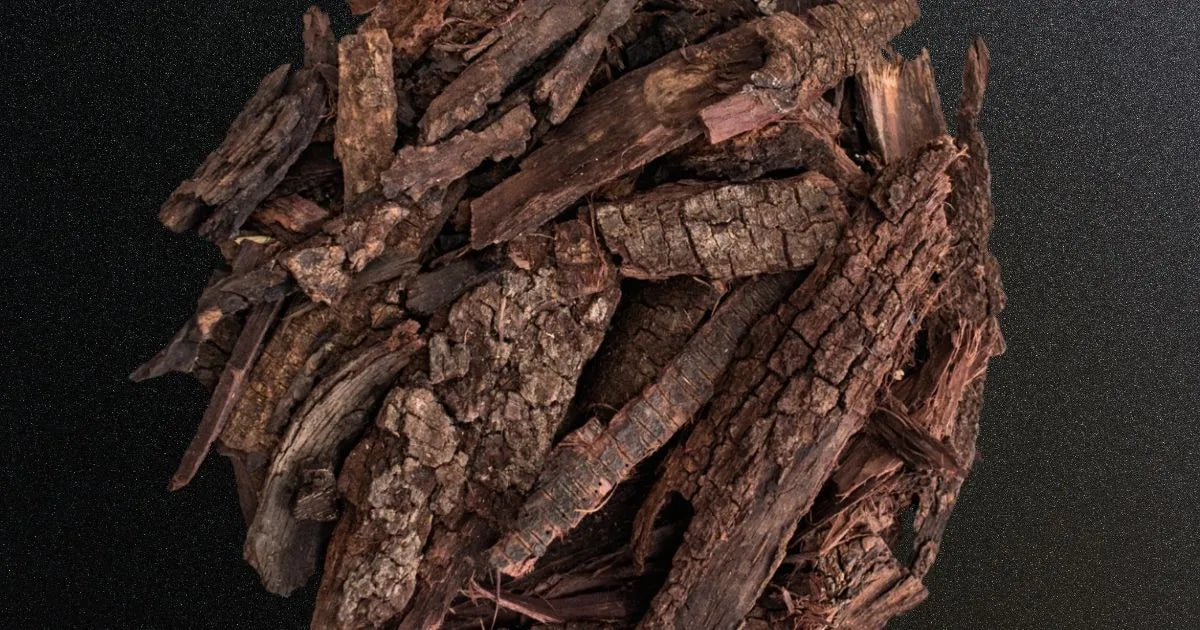
Tepezcohuite, scientifically known as Mimosa tenuiflora (Willd.) Poiret, is a tree native to southeastern Mexico and Central America, particularly abundant in Chiapas. Its bark has been used for centuries by indigenous communities to treat wounds and burns, and its reputation was cemented in 1984 when it was successfully used to alleviate the victims of a gas explosion in Mexico, helping to regenerate damaged skin. Since then, the so-called "skin tree" has been the subject of numerous scientific studies seeking to understand its healing and regenerative properties.
Active compounds and properties of Tepezcohuite
Pharmacological studies have confirmed that tepezcohuite bark is rich in tannins (around 16% of its composition) and contains small amounts of triterpenic saponins.
-
Tannins: These are primarily responsible for tepezcohuite's biological activity. These compounds possess astringent, antimicrobial, and antioxidant properties, which promote skin regeneration by encouraging fibroblast growth and protecting tissues against infections.
-
Triterpenic saponins (mimonosides A, B, and C): Although their concentration is low, they have been shown to stimulate cell proliferation and possess immunomodulatory effects, complementing the healing action of tannins.
Scientific evidence and clinical studies
In the late 80s and 90s, research in Mexico and France demonstrated that aqueous and alcoholic extracts of Mimosa tenuiflora bark inhibit the growth of bacteria, fungi, and yeasts that affect the skin. Furthermore, they induce cell regeneration in human cultures.
Clinical studies conducted in hospitals of the Mexican Social Security Institute (IMSS) showed positive results when applying standardized tepezcohuite extracts to patients with venous ulcers and chronic skin lesions, confirming its therapeutic efficacy.
These pharmacological and phytochemical studies conducted by Mexican research groups supported the existence of natural compounds with healing properties in the bark of Mimosa tenuiflora. Extracts obtained from the dry bark of Mimosa tenuiflora are particularly rich in tannins and also contain steroidal saponins in lower concentrations.
Conclusion: tepezcohuite, tree of life
Tepezcohuite is a natural resource with scientific backing that justifies its traditional use as a skin regenerator. Its combination of antioxidant tannins and bioactive saponins explains its effectiveness in treating burns, wounds, ulcers, and other skin lesions. Although research continues, the evidence suggests that this Mexican tree has a legitimate place within modern phytocosmetics.
Sources:
E. Rivera-Arce, M. Gattuso, R. Alvarado, E. Zárate, J. Agüero, I. Feria, X. Lozoya,
Pharmacognostical studies of the plant drug Mimosae tenuiflorae cortex,
Journal of Ethnopharmacology, Volume 113, Issue 3, 2007, Pages 400-408, ISSN 0378-8741



Leave a comment