


Alum Stone: Benefits, Contraindications, and Scientific Evidence
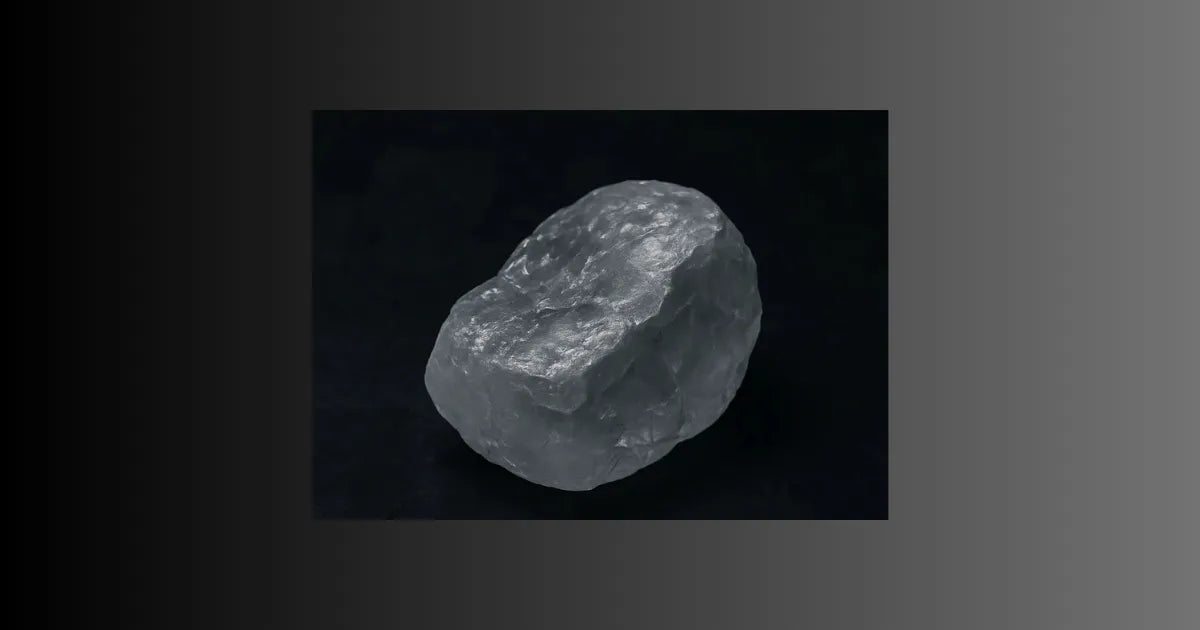
Alum stone is a natural mineral widely used as a deodorant and antiseptic due to its antibacterial and astringent properties. Its popularity has increased as a "natural" alternative to commercial antiperspirants, especially those containing synthetic aluminum salts.
However, although it is considered safe for most people, there are concerns and contraindications related to its prolonged use, especially in individuals with sensitive skin, allergies, or certain medical conditions. This report provides a detailed analysis of alum stone, its properties, benefits, and potential health risks.
1. Introduction
Alum stone is a mineral composed mainly of potassium aluminum sulfate (KAl(SO₄)₂·12H₂O). It has been used for centuries in different cultures as a deodorant, healing agent, coagulant, and astringent in cosmetic and medicinal products.
There are two main types of alum stone:
- Potassium alum (natural): Extracted from minerals like kalinite or alunite. It does not undergo harsh chemical processes and is the most common in natural products.
- Ammonium alum (synthetic): Obtained as a byproduct of industrial processes. It has the same properties as natural alum but is produced synthetically.
The most frequent use of alum stone is as a deodorant, as it forms a barrier on the skin that inhibits the proliferation of odor-causing bacteria without blocking perspiration.
2. Benefits and Properties of Alum Stone
Alum stone is known for various beneficial properties, including:
- Antibacterial action: Prevents the proliferation of bacteria on the skin, reducing body odor.
- Astringent effect: Contracts skin pores, helping to reduce sweat production without blocking sweat glands.
- Healing and anti-inflammatory: It has been used to relieve irritations, minor cuts, and wounds, such as those that occur after shaving.
- Hypoallergenic (in most cases): It contains no fragrances or preservatives, making it suitable for people with sensitive skin.
- Long-lasting: It can last for months or even years, making it an economical and sustainable alternative.
However, despite its many benefits, alum stone is not without risks and contraindications.
3. Contraindications and Risks of Alum Stone Use
Although considered safe for most people, alum stone has some contraindications that should be considered.
3.1. Aluminum Content and Absorption Risk
One of the main arguments against the use of alum stone is its aluminum content. Although the aluminum present in the stone is of natural origin, it is still a form of potassium alum or ammonium alum, both aluminum compounds.
Some concerns include:
- Dermal absorption: Although the cutaneous absorption of aluminum from alum stone is lower compared to conventional antiperspirants, there is still a small risk of prolonged absorption.
- Possible link to neurodegenerative diseases: Some studies have suggested that the accumulation of aluminum in the body could be related to diseases such as Alzheimer's. However, there is no conclusive evidence as to whether the use of alum stone significantly contributes to this accumulation.
- Impact on breast cancer: As with commercial antiperspirants, there is a debate about whether aluminum exposure can influence the development of breast cancer. However, available research has not shown a direct relationship.
3.2. Irritation and Allergies in Sensitive Skin
Although alum stone is considered hypoallergenic, some people may experience:
- Skin irritation: Especially if applied to broken or freshly shaved skin.
- Excessive dryness: Can cause skin dryness, which could lead to flaking or irritation.
- Allergic reactions: Although rare, some people may develop mild contact dermatitis.
3.3. Use in People with Kidney Problems
People with advanced kidney disease should avoid any excessive exposure to aluminum, as their kidneys may not be able to eliminate it efficiently. Although absorption through the skin is minimal, some experts suggest caution in these cases.
3.4. Risk of Contamination and Improper Handling
- If alum stone is stored in humid places or not cleaned properly, bacteria or mold can develop on its surface.
- Sharing a single stone among several people is not recommended for hygiene reasons.
4. Comparison with Other Deodorants and Antiperspirants
To better evaluate the risks and benefits of alum stone, it can be compared with other options available on the market:
| Characteristic | Alum Stone | Antiperspirants with Aluminum | Natural Deodorants |
|---|---|---|---|
| Sweat blocking | No | Yes (blocks sweat glands) | No |
| Absorption risk | Low | Moderate | None |
| Presence of aluminum | Yes, in natural form | Yes, in chemical aluminum salts | No |
| Allergies and irritation | Low (except for sensitive skin) | Medium | Low |
| Product duration | Long (months-years) | 1-2 months | 3-4 months |
| Environmental impact | Low | High (packaging and chemicals) | Low |
5. Regulations and Stance of Health Authorities
Different bodies have analyzed the safety of alum stone:
- FDA (U.S. Food and Drug Administration): Has not classified alum stone as dangerous, but has also not specifically evaluated it as a deodorant.
- ECHA (European Chemicals Agency): Has stated that aluminum in cosmetic products could be absorbed by the skin, but considers the risk to be low when used in normal concentrations.
- World Health Organization (WHO): Has not issued specific warnings about alum stone, although it has pointed out that the main exposure to aluminum comes from the diet.
6. Conclusion
Alum stone is a natural alternative to conventional antiperspirants and is considered safe for most people. However, it is not without contraindications, especially for individuals with sensitive skin, people with kidney disease, or those concerned about aluminum accumulation in the body.
While alum stone contains aluminum, current studies indicate that its absorption is minimal and its use has not been directly linked to serious health problems. For those seeking aluminum-free alternatives, options include natural deodorants based on baking soda, essential oils, and probiotics.
Ultimately, the choice to use alum stone or not will depend on personal preferences and the individual sensitivity of each user.
References
- Pineau, A., Guillard, O., Fauconneau, B., & Mauprivez, H. (2012). In vitro study of percutaneous absorption of aluminum from antiperspirants. Journal of Toxicology and Environmental Health, Part A.
- Darbre, P. D. (2016). Aluminium and the human breast. Journal of Inorganic Biochemistry.
- World Health Organization (2020). Assessment of human exposure to aluminum in cosmetics.
- European Chemicals Agency (2021). Analysis of aluminum exposure in cosmetics.




Leave a comment