


Underarm dermatitis: most common causes
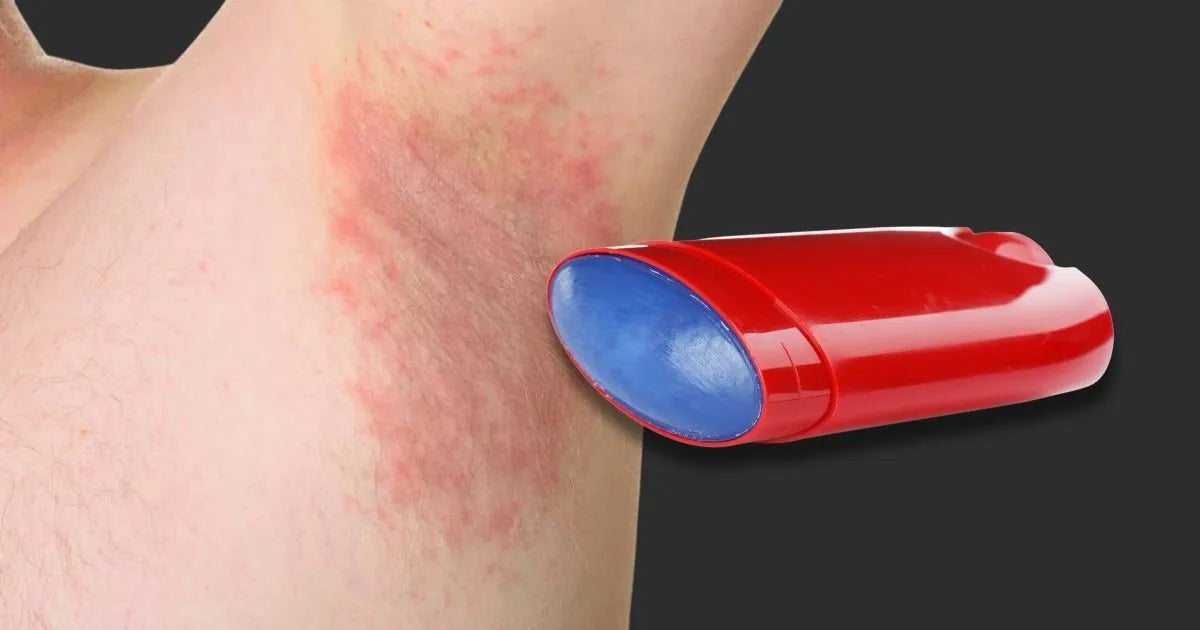
Dermatitis in the armpits, also known as axillary dermatitis, is a skin condition characterized by inflammation, itching, redness, and irritation in the underarm area. This condition can be caused by various factors, including irritants, allergens, infections, and underlying skin diseases.
1. Causes of dermatitis in the armpits
There are various causes and triggering factors for dermatitis in the armpits, including:
a) Contact dermatitis (allergic or irritant)
Allergic contact dermatitis: occurs when the skin reacts to allergens such as:
- Deodorants and antiperspirants (especially those containing aluminum, propylene glycol, fragrances, or alcohol)
- Laundry detergents and fabric softeners
- Nickel (found in some jewelry)
- Latex
- Dyes or chemicals in clothing
- Preservatives in skincare products (parabens, formaldehyde)
Allergen of the Year: Propylene Glycol
Propylene glycol (INCI: Propylene glycol), an emollient and emulsifier found in cosmetics, medications, and foods, has received the dubious honor of being named Allergen of the Year 2017 by the American Contact Dermatitis Society. It is a very common ingredient in gel deodorants and antiperspirants. Allergic and irritant dermatitis, as well as systemic cutaneous reactions to PG, have been documented, and it has become an increasingly common ingredient. Propylene glycol is as controversial as it is ubiquitous because it acts as both a weak sensitizer and an irritant, which confuses patch test results.
Irritant contact dermatitis caused by:
- Harsh soaps, shower gels, or shampoos
- Excessive shaving or use of dull razor blades
- Accumulation of sweat and friction
- Excessive use of exfoliants
b) Atopic dermatitis (eczema)
- A genetic condition where the immune system overreacts, leading to dry, itchy, and inflamed skin.
- Often worsened by heat, sweat, and stress.
- Can appear as red, scaly, or weeping patches.
c) Fungal and yeast infections (Candidiasis)
- The armpit is a moist and warm environment, making it prone to fungal infections, especially Candida albicans.
- Symptoms: red, shiny, itchy rash, with possible white patches or pustules.
- Aggravated by poor hygiene, excessive sweating, diabetes, or a weakened immune system.
d) Bacterial infections (Impetigo, folliculitis)
- Impetigo: contagious bacterial infection that causes honey-colored crusts on the skin.
- Folliculitis: infection of hair follicles that causes small red bumps or pustules in the armpits.
e) Hidradenitis suppurativa
- Chronic inflammatory disease that affects the sweat glands, causing painful boils, abscesses, and scars in the armpit area.
- More common in people with obesity, excessive sweating, or hormonal imbalances.
f) Heat rash (Miliaria)
- Caused by blocked sweat ducts, leading to small red bumps and itching.
- Common in hot and humid climates.
g) Psoriasis
- Autoimmune disease that causes thick, scaly patches on the skin.
- In the armpits, it can appear as red, smooth patches rather than scales.
2. Symptoms of armpit dermatitis
Symptoms can vary depending on the cause, but generally include
- Redness and inflammation
- Itching and burning sensation
- Flaking, dry, or scaly skin
- Pain or tenderness
- Swelling or bumps (pustules, boils)
- Weeping, crusts, or blisters (in severe cases)
3. Risk factors
- Frequent use of synthetic deodorants, antiperspirants, and perfumes
- Excessive sweating (hyperhidrosis)
- Wearing tight or synthetic clothing
- Poor hygiene
- History of eczema or allergy
- Hot and humid climates
- Diabetes (increased risk of fungal infections)
- Weakened immune system
4. Treatment and management
Treatment depends on the cause of the dermatitis, but may include:
General skin care tips
- Use a mild, fragrance-free soap to wash the armpits.
- Avoid deodorants with aluminum, alcohol, baking soda, parabens, propylene glycol, and strong fragrances.
- Keep the area dry and clean. Use antifungal powders if you have excessive sweating.
- Wear loose-fitting, breathable clothing (preferably cotton).
- Avoid excessive shaving and use a clean, sharp razor blade with shaving cream or gel.
- Apply a fragrance-free moisturizer to prevent extreme dryness.
Home remedies
- Coconut oil: has antimicrobial and moisturizing properties.
- Aloe vera gel: soothes inflammation and itching.
- Apple cider vinegar (diluted): helps maintain skin pH and fight fungal infections.
- Oatmeal baths: reduce irritation and inflammation.
It is recommended to seek medical attention if:
❌ The rash does not improve with home treatments.
❌ It spreads rapidly or worsens.
❌ There is weeping, pus, or signs of infection (fever, pain, swelling).
❌ The rash is recurrent.
❌ There is a history of eczema, psoriasis, or hidradenitis suppurativa.
Dermatitis in the armpits is a common but uncomfortable condition with various causes, such as irritants, allergens, infections, and chronic skin diseases. Identifying the cause is key to effective treatment. If symptoms persist despite home remedies, it is recommended to consult a doctor or dermatologist.
- Use hypoallergenic and fragrance-free deodorants like Maxalli bar deodorant.
- Wear loose-fitting, breathable clothing (cotton, linen).
- Keep the armpit area dry and clean.
- Change clothes after sweating.
- Moisturize the skin to prevent dryness and irritation.
- Perform a patch test before using new skin products or deodorants.
REFERENCES:
McGowan MA, Scheman A, Jacob SE. Propylene Glycol in Contact Dermatitis: A Systematic Review. Dermatitis. 2018 Jan-Feb;29(1):6-12. doi: 10.1097/DER.0000000000000307. PMID: 29064881.
Lena Jafilan, Charis James,
Urticaria and Allergy-Mediated Conditions,
Primary Care: Clinics in Office Practice, Volume 42, Issue 4,
2015, Pages 473-483, ISSN 0095-4543, ISBN 9780323402668,
https://doi.org/10.1016/j.pop.2015.08.002.
(https://www.sciencedirect.com/science/article/pii/S0095454315000718)
Keywords: Allergy; Antihistamines; Hives; Swelling; Urticaria; Angioedema




Leave a comment